_14297_34265589.png)


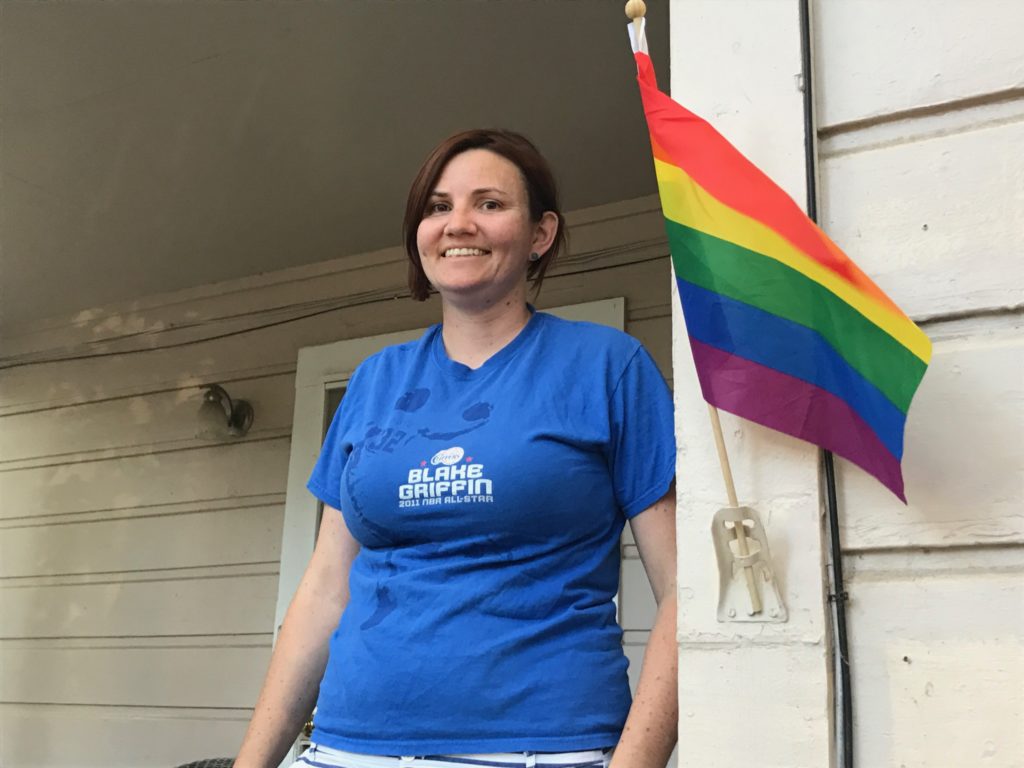
Emma Middlemiss lives a half a block away from what she hopes might one day be her future.
A state environmental scientist, Emma, who is 35, and who is queer, thinks about her life 25 years or more down the road, and she says she can’t think of a better place to spend it than in a community welcoming of LGBTQ seniors.
“I think about when I get that age, I’d like to have that living situation,” Emma said.
Right now, Emma lives in one of those very cool high-water flats on F Street, less than a block from the corner of 16th, where Mutual Housing California owns a vacant lot where it plans to build a $19 million, 53-unit, LGBTQ-welcoming affordable community for seniors.
In a world where it is youth that is supposed to be served, it is the elderly who have the toughest go of it in the toughest years of their lives. And if you are gay or lesbian or bisexual or transgender or queer, the difficulty increases exponentially. Especially if you’re not rich. Especially if you’re looking to live with people your own age.
LGBTQ people are twice as likely to be single and living alone in their later years, and they are four times less likely to have children to visit and support them. If they’re living in a senior care facility, there’s a much higher likelihood of them being physically and mentally abused.
Perhaps most discouraging and insulting for the generation of gay and lesbian and transgender people who are just now moving into their retirement years – the Stonewall generation, the people who fought the toughest fights when it came to the attainment of social acceptance and equality – is that some of them are being forced back into the closet to live out their rest of their lives.
Social scientists tell us that in their senior years, LGBTQ people are way more likely to become isolated and depressed, estranged from the community that gave them identity and companionship as well as fun and frolic.
“I can see that,” Emma Middlemiss said, in a conversation on her front porch on F Street. “I think it’s already hard enough for older queer people to find that sense of community. For me, I’m 35. I can go online. I can walk to the bars. I can walk to the gayborhood anytime. But for a lot of the older community, there are smaller numbers of queer people who are out. It’s harder to find that.
“I’m 100 percent in support of them having a place where you don’t have to feel closeted,” Emma continued. “I think that’s really important, especially when you get to that age. You don’t want to have to hide or deal with any kind of pressure or prejudice toward you because of your background or that sort of thing. I really support it.
“I can look at my future, and I think that’s where I want to end up.”
Looking at Lavender from the wider perspective of Sacramento’s LGBTQ community, LGBT Center Executive Director David Heitstuman said the need is severe and that the support is strong.
“We’ve committed previously to supporting the project and to working in partnership with Mutual Housing to come up with a programming plan once the facility is built and to really increase access for LGBTQ elders,” Heitstuman said. “The wider community is very supportive of housing that supports LGBTQ elders. There are serious issues throughout the region as more and more people are pushed out of their housing, and as affordability becomes more difficult for folks who are living on a fixed income or may be living with HIV or have another condition that challenges them in terms of income and accessibility to community.”
In recent conversations with people who live, work and own businesses within a few blocks of the future Lavender Courtyard site, Mutual Housing found that most respondents very much liked the concept of having an affordable senior community for LGBTQ people in their neighborhood.
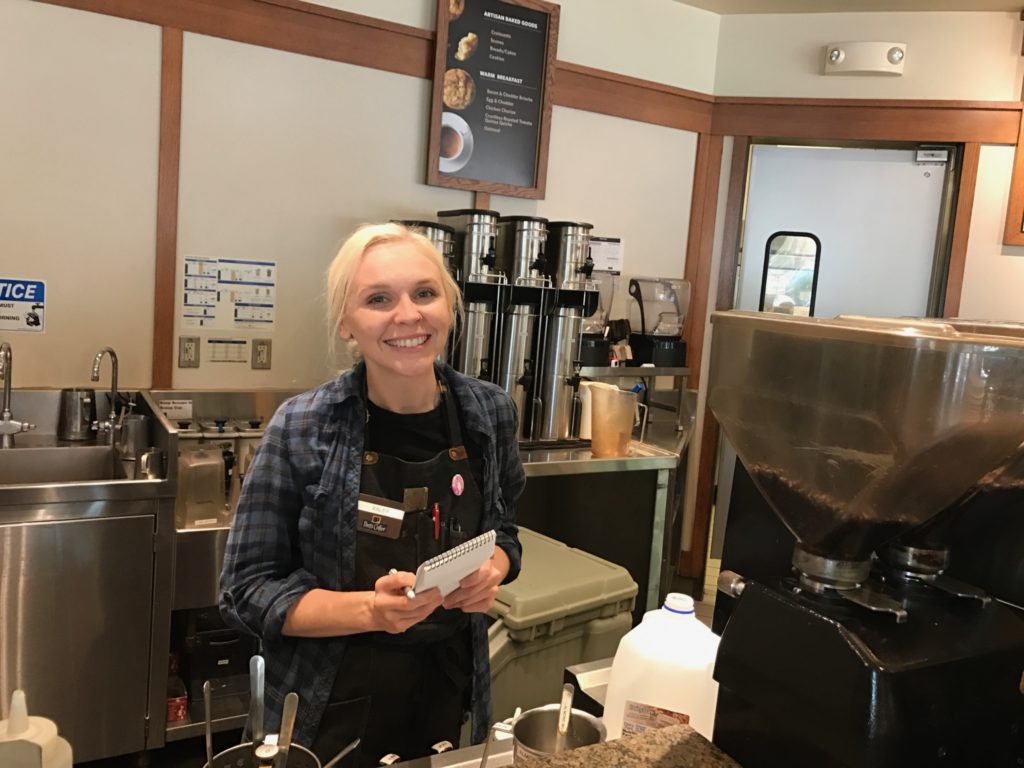
“I love the idea,” said Kaley Saari, 25, a barista who lives at 18th and H. “I think that affordable living should be more available in Midtown. And I think this one protects a group that is not protected very often. I can’t foresee anyone having an issue with it.”
“They’re building a lot in this area, but it’s all higher-end housing,” said Dave Mick, 39, a brewer who lives in the neighborhood near F and 16th. “They’re not building any more affordable housing, and the rents keep going up and up.”
“I think it’s a good idea to increase the amount of housing out here right now,” said Josh Hooper, 42. “I think it’s terrific.”
Sandra Dee’s, Sacramento’s famous barbecue restaurant, is located on 15th and F, exactly one block from the Lavender Courtyard site.
“I think it’s a great idea,” said the owner of the restaurant that bears her name. “Everyone needs a break here and there, and I think this would be great for the community. It would be great for downtown to build up and grow, with the community helping each other out. Affordable housing is a beautiful thing.”
Across F Street from the vacant lot, Satinder Singh manages the Midtown Quick Mart. He thinks his store would benefit so much by the Lavender construction that he is thinking about asking to rent some of the commercial space that has been planned for the bottom floor of the complex.
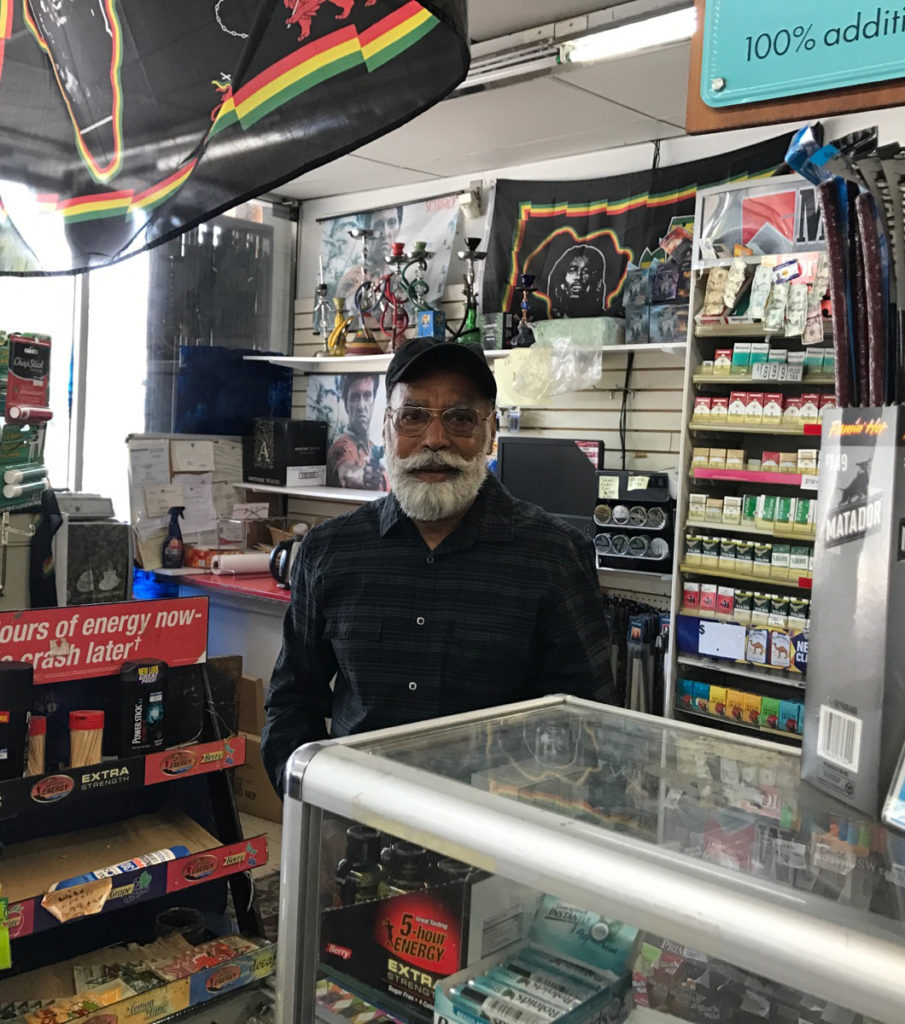
“When are they going to get started on the construction?” Singh asked.
Other respondents expressed concerns about what they described as a disproportionate number of low-income housing projects north of downtown and the impact they might have on property values in the neighborhood.
A 2016 study by Trulia, however, served to dispel some of those concerns.
The website that assesses neighborhoods for homebuyers and renters found that in the country’s most expensive markets – and a check of real estate prices in the Mansion Flats and Alkali Flat show those neighborhoods to be in the middle of a huge upswing – the construction of low-income housing projects had no significant impact on home values.
In San Jose, for instance, homes that cost $200,000 in 1996 had increased in value to more than $350,000 in ten years, despite the construction of low-income complexes within 2,000 to 4,000 feet.
Emma Middlemiss thinks the concerns of her neighbors about the impact on property values and the like are unfounded. She said Lavender Courtyard will do nothing but enhance her neighborhood.
“If it’s done in a way where it’s real quality housing, and it’s a safe place to hang out, I think it could be perfect,” she said. “You can walk to grocery stores. There’s a Rite Aid right down the street. You have the LGBT Center for resources. I think it’s a great location.”