_14297_34265589.png)

The post California HCD Awards $25.34 Million in Multifamily Housing Funding to Mutual Housing California and Habitat for Humanity Yuba/Sutter appeared first on Blog.
]]>
FOR IMMEDIATE RELEASE
Yuba County, CA — The California Department of Housing and Community Development (HCD) has awarded $25,342,598 through its Multifamily Finance Super NOFA (MFSN) – Multifamily Housing Program (MHP) Gap Funding NOFA, providing a significant investment in the Serenity Village housing development in Olivehurst, CA.
Serenity Village is a planned family-oriented multifamily community, developed in partnership by Mutual Housing California and Habitat for Humanity of Yuba/Sutter. The development will feature 124 homes serving extremely low-income households and is designed to provide robust community support through specialized supportive services, an on-site community center, and day care facilities. The award represents a major investment in Serenity Village’s housing future and reflects the importance of partnerships among state agencies and community-based housing organizations in addressing California's affordable housing needs.
The $25.34 million MHP Gap Funding award is part of HCD's broader efforts to leverage state resources and close financing gaps for affordable multifamily housing developments throughout California.
In partnership with the County of Yuba, the award builds upon $11.6 million in prior HCD funding for Serenity Village, including $6,593,300 through the Infill Infrastructure Grant (IIG) Program and $5 million through the Permanent Local Housing Allocation (PLHA) Program, further advancing the development toward construction. The two organizations will next pursue Tax Credits with a goal to break ground in 2027.
Mutual Housing California is a nonprofit affordable housing organization dedicated to developing, operating and advocating for sustainable, affordable homes and healthy communities. Through its work, Mutual Housing helps create housing stability and opportunities for residents and families across Northern California.
Habitat for Humanity Yuba/Sutter is a nonprofit organization working to build strength, stability and self-reliance through affordable homeownership and housing opportunities for families throughout Yuba, Sutter, Glenn, and Colusa Counties.
The California Department of Housing and Community Development works to promote safe, affordable homes and vibrant communities throughout California. Through programs such as the Multifamily Housing Program, HCD provides financing and other resources to help increase the state's supply of affordable housing.
The County of Yuba’s additional support comes from The Prohousing Designation Program, a program recognizing jurisdictions that go above-and-beyond state housing law to help accelerate housing production. Yuba County’s Prohousing Designation status allows grant applications to receive priority processing times and a competitive edge in several state grant opportunities. Several Yuba County prohousing policies have further helped reduce or remove barriers for project objectives.
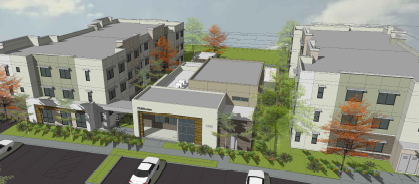
Rendering of Serenity Village | Mutual Housing California/Habitat for Humanity Yuba-Sutter
Media Contacts:
Sam Garcia
Marketing Specialist
Habitat for Humanity Yuba/Sutter
[email protected]
530-821-8616
Steven Root
Director of Communications
Mutual Housing California
916-202-6056
Rachel Abbott
County Public Information Officer
County of Yuba
[email protected]
530-749-5960
The post California HCD Awards $25.34 Million in Multifamily Housing Funding to Mutual Housing California and Habitat for Humanity Yuba/Sutter appeared first on Blog.
]]>The post Mutual Housing Launches Northern California’s First Scaled Factory-Built Affordable Housing Pipeline appeared first on Blog.
]]>
Affordable housing development is at a crossroads. Across California, communities face rising construction costs, labor shortages, and increasing pressure to deliver housing faster while maintaining quality and long-term sustainability.
At Mutual Housing California, we believe innovation must be part of the solution.
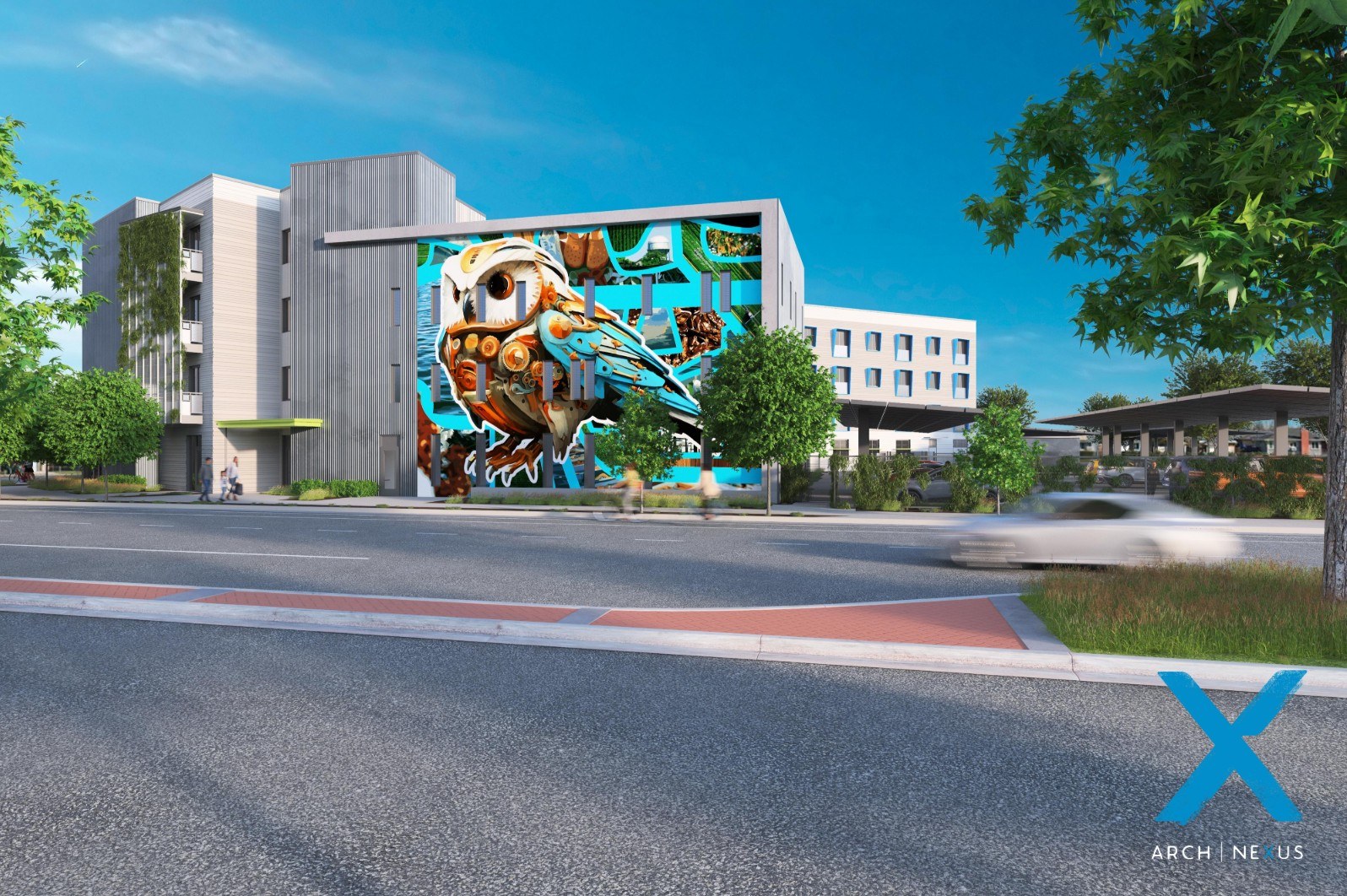
That’s why we are excited to announce the start of construction on Mutual Housing at Fairview Terrace, a 76-home affordable housing community for older adults in South Stockton. More importantly, Fairview Terrace is serving as the pilot project for something much larger: Northern California’s first scaled factory-built affordable housing pipeline.
In partnership with Stocktonians Taking Action to Neutralize Drugs (STAND), Architectural Nexus, Guerdon, Brown Construction, the Housing Accelerator Fund, Walker & Dunlop Affordable Housing Equity, and many others, Fairview Terrace represents a new model for how affordable housing can be delivered across our region.
From a Single Project to a Regional Strategy
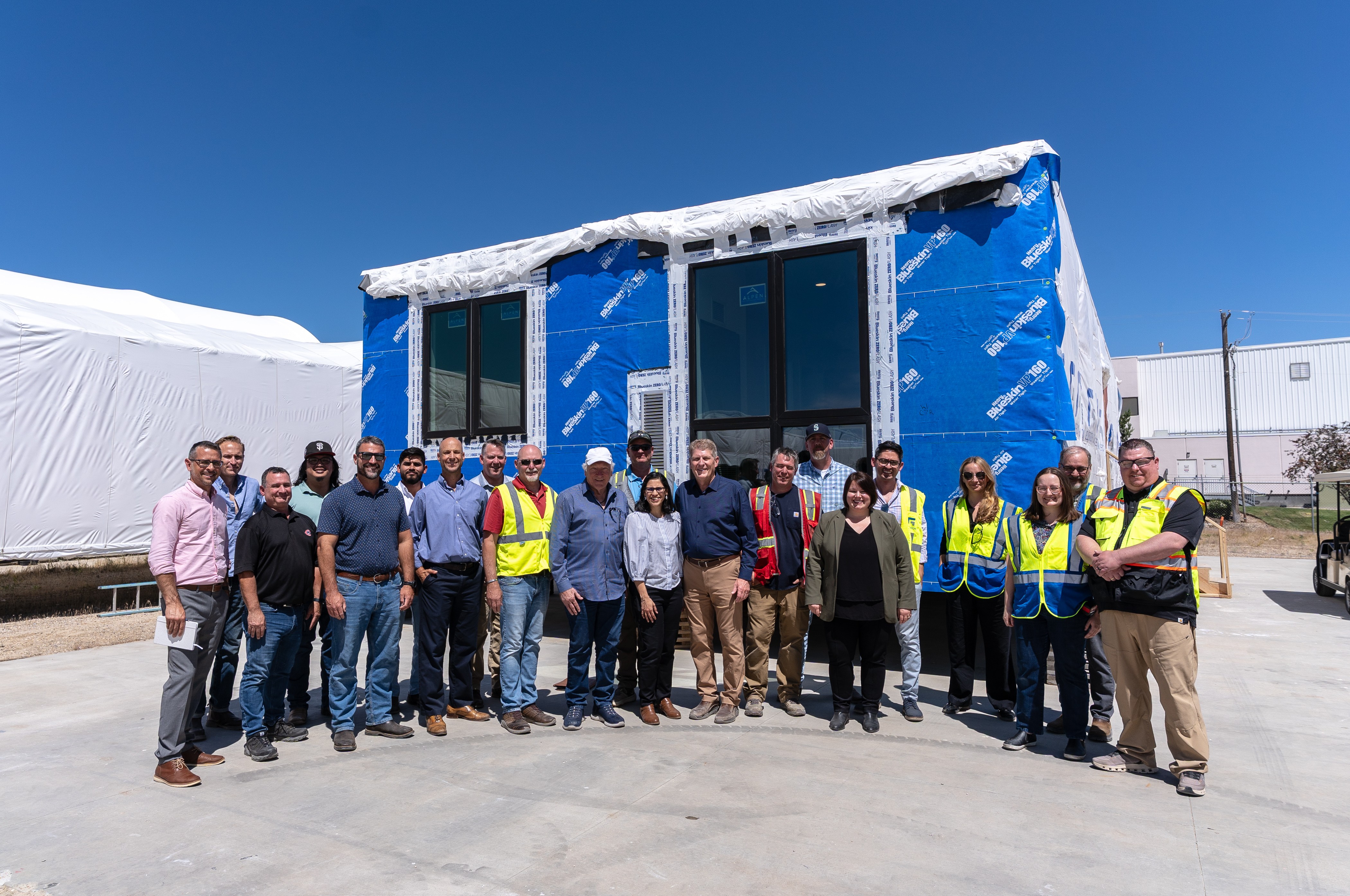
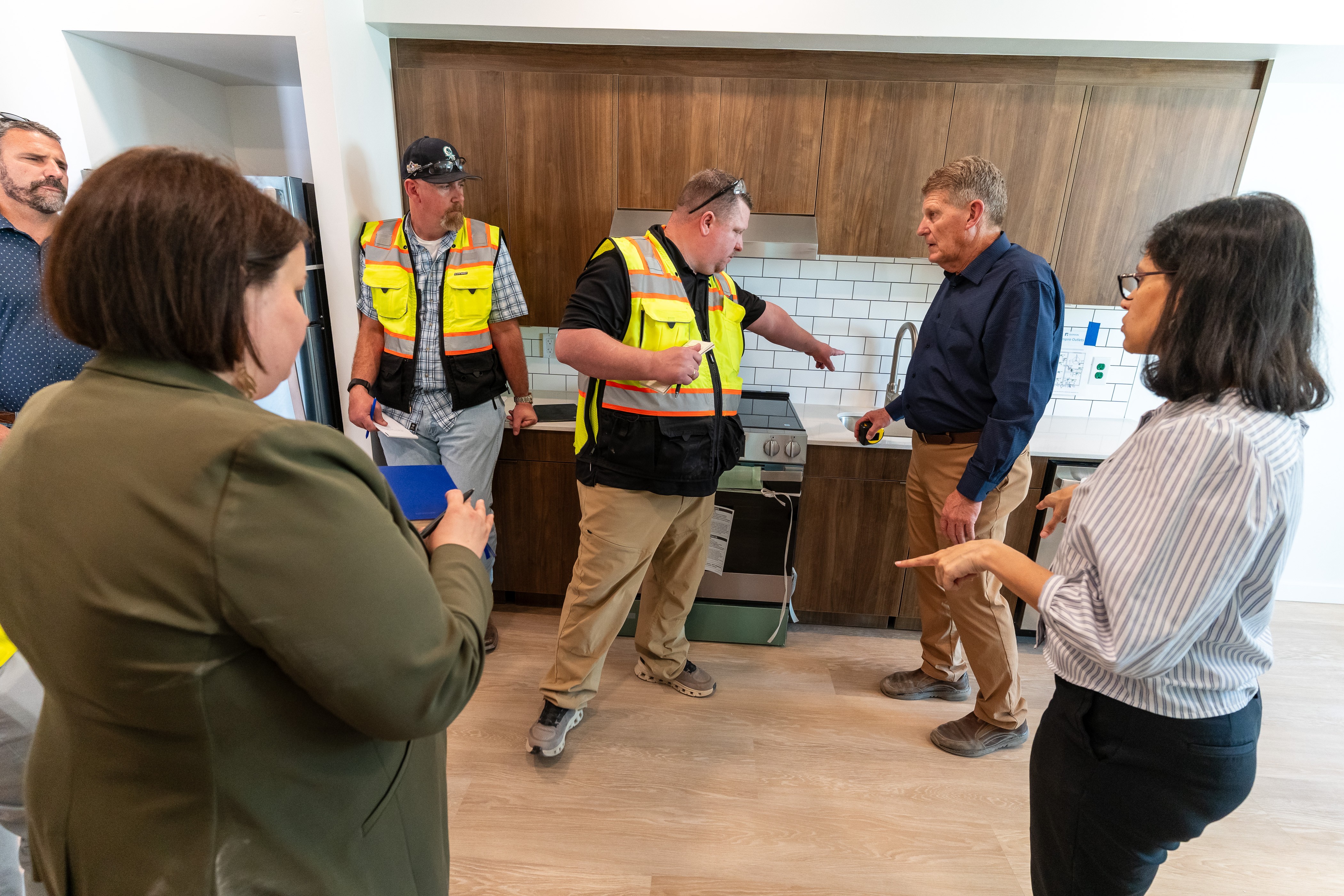
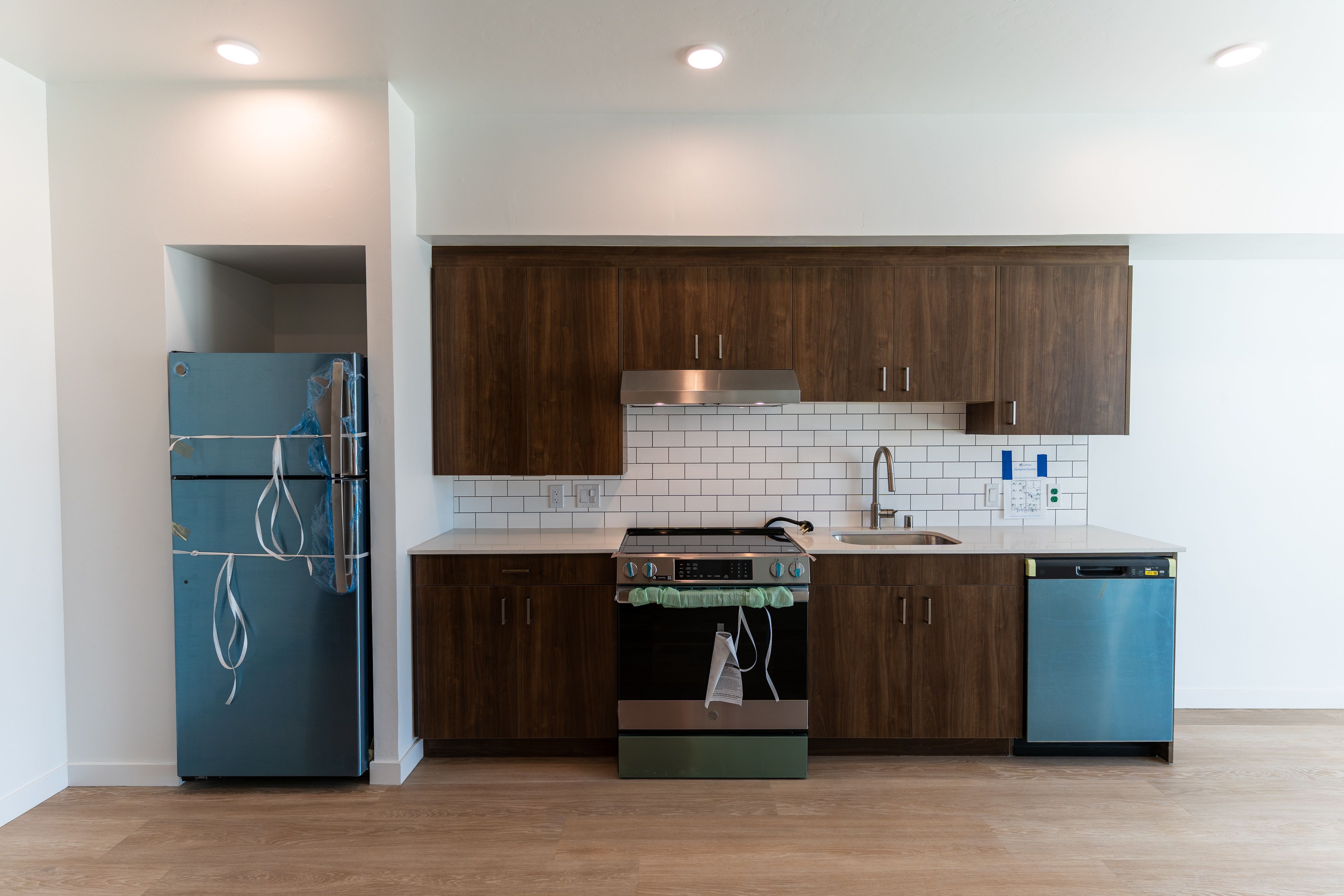
Recently, our team traveled to Boise, Idaho, to tour the factory and view the prototype modular apartment homes that will soon be delivered to the project site in Stockton. Seeing these homes take shape was a tangible reminder that affordable housing delivery can be reimagined.
Fairview Terrace is the first of six communities in Mutual Housing California’s expanding factory-built housing pipeline, which will ultimately deliver more than 600 affordable homes across San Joaquin, Sacramento, Solano, and Yuba Counties.
Unlike one-off modular projects, this initiative is designed as a repeatable, scalable delivery strategy that allows us to continuously improve efficiency, quality, and affordability over time.
As Craig Adelman, CEO of Mutual Housing California, explains:
“This groundbreaking represents more than a single project. It launches a new way of delivering affordable housing at scale. We are building a replicable pipeline of factory-built communities that can reduce costs, accelerate timelines, and bring high-quality housing to more people, faster.”
Why Factory-Built Housing Matters
The affordable housing sector has explored modular construction for years, but few organizations have implemented it across multiple developments with a consistent team of partners.
By standardizing design, manufacturing, and construction processes, we expect this approach to:
-
Reduce construction timelines by at least four months per project
-
Lower development costs by 5% or more
-
Improve quality and consistency across communities
-
Minimize neighborhood disruption during construction
-
Increase efficiency and project performance over time through continuous learning and scale
This effort would not be possible without partners who share a commitment to innovation.
Jan Lindenthal-Cox, Chief Investment Officer at the Housing Accelerator Fund, noted:
“We created the Industrialized Construction Catalyst Fund to help affordable housing developers realize the potential of promising innovations like modular construction. We're proud to support Mutual Housing's ambitious effort to unlock these benefits at Fairview Terrace, and their commitment to a multi-project modular pipeline. We believe this creates an exciting opportunity to prove how these methods can deliver high-quality affordable housing faster, more efficiently, and at greater scale.”
Darrin Henry, Vice President of Brown Construction, added:
“Fairview Terrace is the first step in a pipeline that will fundamentally change how affordable housing gets built in our region. By standardizing and scaling modular delivery, we can bring housing online faster and more efficiently than traditional methods.”
Rooted in Community Vision
While Fairview Terrace represents a significant innovation in construction delivery, its foundation is deeply local.
The project emerged from years of community engagement led by STAND and neighborhood residents, who identified a pressing need for affordable housing opportunities for older adults in South Stockton.
When completed, the community will provide:
-
76 affordable homes for residents age 55+
-
Onsite property management offices
-
A resident community room with kitchen facilities
-
Outdoor recreation spaces
As Fred Sheil of STAND said:
“This project exists because the community spoke clearly about what they needed. Now we’re seeing that vision come to life.”
"First Citizens is proud to support Mutual Housing California in advancing a scalable, efficient model for affordable housing," said Fiona Hsu, Head of Community Development Finance for First Citizens. "We're committed to building long-term stability in the communities where we live and work."
Aaron Krasnow, Managing Director of Walker & Dunlop Affordable Housing Equity, shared:
“Factory-built modular construction is an innovative approach with real potential to help shape the future of affordable housing. Mutual Housing California and its partners have approached this project with the diligence, coordination, and care that this model requires, and we are proud to support their work in Stockton.”
Innovation Meets Sustainability
Fairview Terrace is not only advancing how affordable housing is built—it is also helping demonstrate how affordable housing can contribute to California’s clean energy future.
The development combines factory-built construction with a suite of advanced sustainability features, including:
-
A solar-powered microgrid with battery storage
-
All-electric building systems
-
Bidirectional EV charging
-
Smart energy management and demand response systems
-
A community resiliency center and cooling room
Megan Repka of Architectural Nexus summarized the project's vision:
“Fairview Terrace was envisioned as a catalyst for progress. This zero net energy, all electric project is combining sustainable, equitable and modular design to bring affordable housing to this underserved community in Stockton.”
These innovations build on Mutual Housing’s broader commitment to reducing energy use and emissions while improving resident outcomes. The work is supported in part through a $10 million investment from the California Energy Commission’s Electric Program Investment Charge (EPIC) program.
Looking Ahead
The affordable housing challenges facing California require new approaches, stronger partnerships, and a willingness to rethink traditional development models.
Fairview Terrace represents more than the start of construction on a single community. It marks the beginning of a scalable strategy that can help deliver high-quality affordable housing faster, more efficiently, and at greater scale across Northern California.
As the first homes move from the factory floor to Stockton later this year, we look forward to sharing lessons learned and demonstrating what is possible when innovation, sustainability, and community vision come together.
The post Mutual Housing Launches Northern California’s First Scaled Factory-Built Affordable Housing Pipeline appeared first on Blog.
]]>The post Mutual Housing Receives NeighborWorks America Grant to Invest in Community Development and Affordable Housing in Sacramento and Yolo County appeared first on Blog.
]]>Contact: Steven Root, 916-453-8400 Ext. 227, [email protected]
Mutual Housing Receives NeighborWorks America Grant to Invest in Community Development and Affordable Housing in Sacramento and Yolo County
Sacramento — Mutual Housing California is proud to announce it has received a $506,000 grant from NeighborWorks America to support affordable housing development in the Sacramento region.
This investment arrives at a critical time, as communities across the country face continued economic uncertainty and persistent housing shortages. The grant will allow Mutual Housing California to build more affordable homes and deliver timely resident services support, providing much-needed stability and opportunity for residents.
“We’re honored to receive this funding from NeighborWorks America,” said Mutual Housing California CEO Craig Adelman. “It helps us meet the needs we’re seeing every day in our neighborhoods. We are especially grateful for the support of Senator Padilla, Congresswoman Matsui and Congressman Bera, who continue to champion housing and community investment here in the Sacramento region.”
“Our staff often hear stories of perseverance and resilience from residents in our communities,” said Vice President of Community Development Tejal Shah. “Residents such as Diana who had been unhoused for about six months, occasionally sleeping on her daughter’s couch. She struggled as medical bills continued to pile up and was unable to properly take care of herself. Then she learned about the Wong Center being built, applied, and moved into her own home at our newest 150-unit senior housing community in the Railyards. Now, Diana is happy to have her own home, especially one that is brand new.”
Mutual Housing California encourages reporters and stakeholders to review impact statistics through the NeighborWorks Impact Map, which highlights how these investments are changing lives in communities like ours.
In the first quarter of 2025, Mutual Housing provided over 3,800 points of service to residents through our resident services, resident programs, and community organizing staff. This included over 1,800 instances of food and nutrition support and youth leadership development of 28 young adults to plan, lead,
and execute community activities. Over 112 students participating in after school programming improved reading scores and/or reported feeling supported by adults to improve their academic performance.
###
About Mutual Housing
Founded in 1988, Mutual Housing California develops, manages, and supports sustainable affordable housing where residents are partners in advancing equitable communities. More than 3,900 people – nearly half of them children – live in Mutual Housing communities. Over half of Mutual Housing residents earn below 30% of AMI. Mutual Housing is a member of NeighborWorks America, a congressionally chartered nonprofit organization that supports community development nationwide.
About NeighborWorks America
For more than 45 years, NeighborWorks America has supported community-based organizations like ours with funding, training and tools that make a measurable difference. We are thankful to Congress for providing this consistent support that helps us meet local needs and respond in real time to our community’s most urgent challenges.
To learn more about Mutual Housing and our work in the Sacramento region, visit www.mutualhousing.com. To learn more about NeighborWorks America, visit www.NeighborWorks.org.
The post Mutual Housing Receives NeighborWorks America Grant to Invest in Community Development and Affordable Housing in Sacramento and Yolo County appeared first on Blog.
]]>The post NeighborWorks America selects Mutual Housing VP of Community Development Tejal Shah for NeighborWorks Achieving Excellence Program appeared first on Blog.
]]>April 8, 2025
Contact: Steven Root, 916-453-8400 ext. 227,, [email protected]
NeighborWorks America selects Mutual Housing VP of Community Development Tejal Shah for NeighborWorks Achieving Excellence Program, in collaboration with Harvard University
Program offers leaders tools and support to advance the organization’s performance and capacity
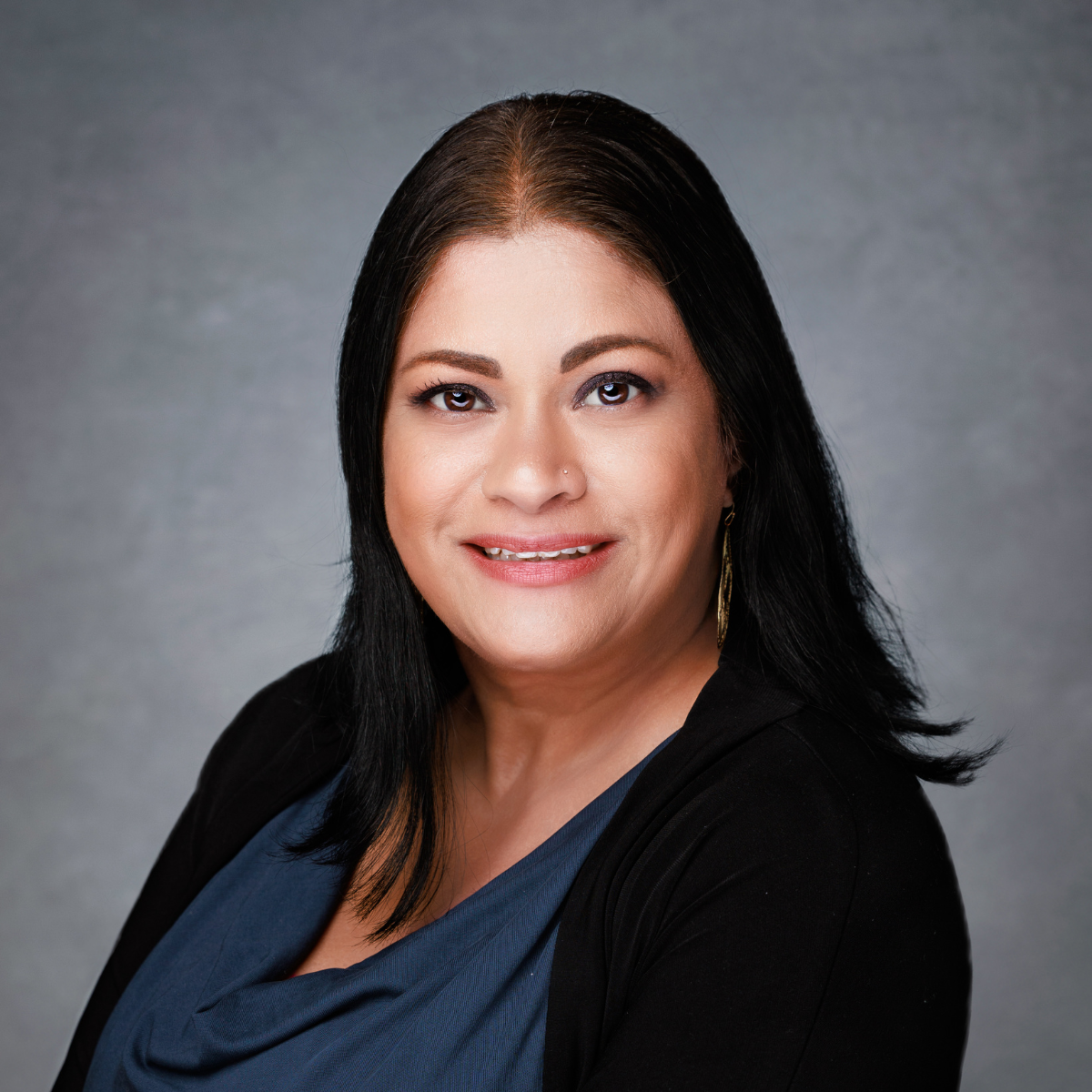
Sacramento, CA —NeighborWorks America is proud to announce that Tejal Shah, Vice President of Community Development at Mutual Housing California in Sacramento is one of 50 leaders selected for the NeighborWorks Achieving Excellence Program, conducted in collaboration with the John F. Kennedy School of Government at Harvard University.
The NeighborWorks Achieving Excellence Program is a 16-month program that equips executives with the skills to advance their organization’s performance. Each participant identifies and clearly defines a specific challenge or opportunity critical to their organization’s success then spends the program addressing that challenge.
"I'm honored and so excited to become a part of this exemplary group of non-profit professionals. My hope is to develop new ways for solving complex problems that impact the affordable housing industry, particularly the much-needed services provided to low-income Mutual Housing residents." said Tejal Shah.
The only comprehensive training of its kind, Achieving Excellence includes three formal sessions at Harvard University’s Kennedy School of Government, as well as executive coaching and structured peer learning. The first session at Harvard University was the week of March 31, with additional sessions planned for October 2025 and April 2026 plus multiple peer group meetings and a graduation. Between sessions, participants actively work on clearly defined goals critical to their organization’s success and work closely with their executive coach and peer group.
“Never has it been more important to have a program like Achieving Excellence,” said Christina Deady, senior director of leadership and workforce development at NeighborWorks America. “Addressing housing challenges requires collective effort. This program highlights how NeighborWorks America engages with public and private sector partners to drive investment and innovation in affordable housing organizations that generate measurable economic benefits for families and communities alike.
“Strong, resilient and adaptive nonprofit organizations are essential to the successful development of affordable housing and broader economic development. Achieving Excellence equips leaders with the tools to build stronger organizations, more engaged and results-oriented staff and board members working to achieve even greater impact in their communities. This not only affects the organizations and communities but also results in a stronger pipeline of energized leaders throughout the nonprofit sector,” said Deady.
Achieving Excellence has graduated more than 500 executive directors, CEOs and other senior leaders since the program began in 2002, with astounding results from each class. Independent evaluations have shown tremendous results for organizations that have participated in this program.
In recent cohorts, 100% of participants indicated either significant or profound improvement in staffing, innovation, overall organizational performance and leadership development of others within the organization.
For more information about the NeighborWorks Achieving Excellence Program, go to www.neighborworks.org/ae.
About Mutual Housing
Founded in 1988, Mutual Housing California develops, manages, and supports sustainable affordable housing where residents are partners in advancing equitable communities. More than 3,600 people – nearly half of them children – live in Mutual Housing communities. Mutual Housing is a member of NeighborWorks America, a congressionally chartered nonprofit organization that supports community development nationwide.
About NeighborWorks America
For more than 45 years, Neighborhood Reinvestment Corp., a national, nonpartisan nonprofit known as NeighborWorks America, has strived to make every community a place of opportunity. Our network of excellence includes nearly 250 nonprofits in every state, the District of Columbia, Puerto Rico, and on Native lands. NeighborWorks offers grant funding, peer exchange, technical assistance, evaluation tools and access to best-in-class training as the nation's leading trainer of housing and community development professionals. NeighborWorks network organizations provide residents in their communities with affordable homes, owned and rented; financial counseling and coaching; community building through resident engagement; and collaboration in the areas of health, employment and education.
The post NeighborWorks America selects Mutual Housing VP of Community Development Tejal Shah for NeighborWorks Achieving Excellence Program appeared first on Blog.
]]>The post City of Stockton approves key funding for Mutual Housing’s new trailblazing senior housing community appeared first on Blog.
]]>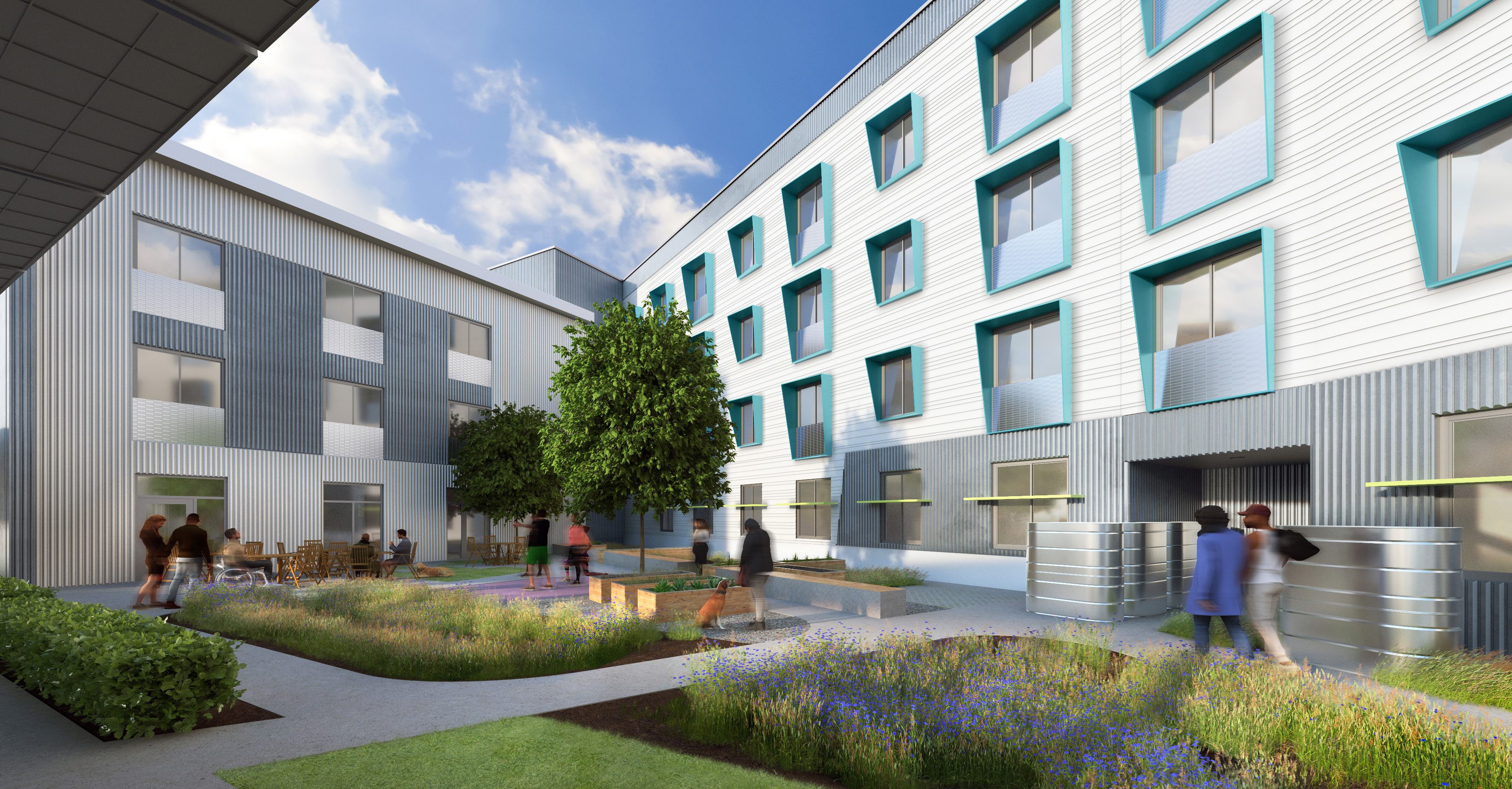
Mutual Housing California's new multifamily housing community in Stockton is set to become the most innovative positive net energy permanent affordable housing project in the State of California. The 76-unit senior housing project took another leap forward at the November 19 Stockton City Council meeting with Mayor Kevin Lincoln and the councilmembers voting unanimously to approve $6.19 million in HOME Investment Partnerships Program (HOME) funding for Mutual Housing at Fairview Terrace.
The groundbreaking project by Mutual Housing and general partner STAND will uniquely pair energy innovation through emerging microgrid, solar, and battery technology with deeply affordable, mission-driven housing.
There have been residents in the weeds for this project for decades. I’m excited about the possibility. I’m excited about seeing that vacant property have something on it,” remarked Vice Mayor Kimberly Warmsley at the November council meeting. “This is going to revitalize the whole entire neighborhood not for decades to come but, for centuries, because this is historic. I just want to thank all of the residents and community members who have been fighting for this for so long. I think that this is definitely justice in terms of this project.
The funding approvals also included a Permanent Local Housing Allocation Program (PLHA) loan of $843,432. Opening the door to next pursue Tax Credit allocations, the City’s investment comes on the heels of Mutual Housing being approved for $10 million in project funding by the California Energy Commission for their Electric Program Investment Charge (EPIC) Challenge program—including $1 million awarded for the Design Phase and $9 million for the Build Phase in March 2024. The project was awarded largely in consideration of its cutting-edge energy reduction and net positive energy elements.
At the March 13 Energy Commission Business Meeting, Commissioner Patty Monahan remarked on the project, “California is in a housing crisis, and we know that the lowest income people are most vulnerable to being pushed out of their housing, and so to combine the benefits of clean energy with providing housing to people who need it at an affordable price. I just feel like this is a perfect example, again, of the kinds of investments we want to make.”
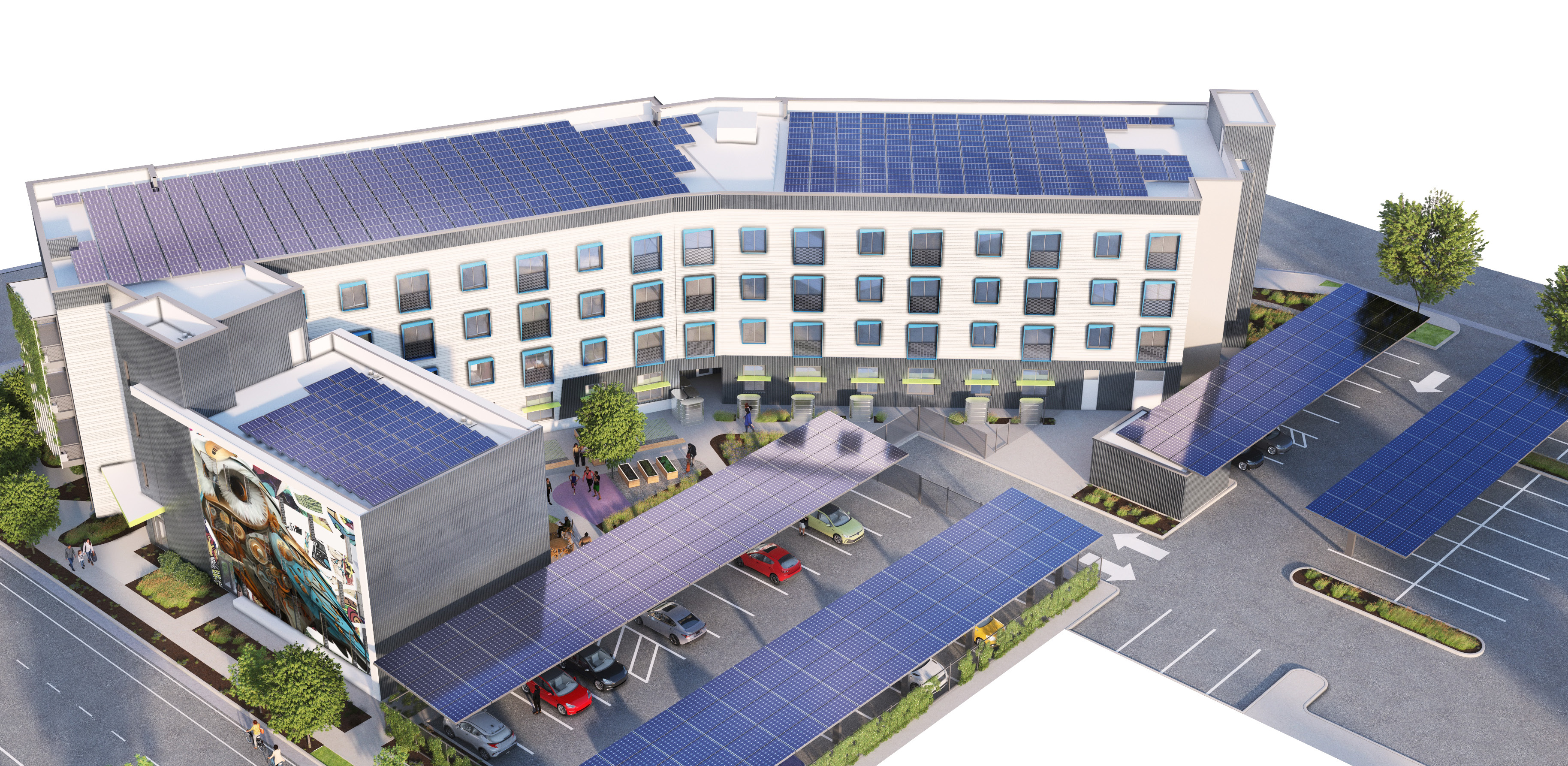
“Mutual Housing is honored to partner with the City of Stockton, STAND, and our architect partners at Architectural Nexus to realize the vision of this community that has been more than 5 years in the making,” said Mutual Housing Interim CEO Anne Marie Flynn. “With STAND’s deep commitment to inclusive community development and Architectural Nexus’ drive to push the envelope on innovative housing solutions, we are excited to grow our sustainability and community impact and maximize this incredible alignment with both the City and State. Mutual Housing at Fairview Terrace will be the first of Mutual Housing’s upcoming ZNE projects that push the envelope in creating positive net energy housing and cultivating community.”
Located on the 2200 block of South Airport Way, the community design centers on sustainability and resiliency, and aims to reduce electricity bills by up to 85%. Both the design of the project and designation for seniors were deeply informed through feedback from area residents after multiple rounds of community engagement efforts in the Southeast Stockton neighborhood.
“We had over 100 residents come to a neighborhood meeting. We listed over twenty possible uses for the vacant lot. They looked at us like we were stupid, and they said as much,” said STAND Administrator Fred Sheil. “They said, ‘We need a big health care clinic for sick kids, and we need housing for our seniors.’ And so, it was decided.”
In response, Mutual Housing at Fairview Terrace will bring new sustainable design concepts to the surrounding area and built as an all-electric, positive-net energy, highly resilient and grid-interactive, equitable, affordable, and human centered community. The sustainability features serve as a catalyst for economic empowerment as well, enabling residents earning between 30% to 60% AMI to spend on other vital needs such as groceries, health care, and transportation costs. A portion of the project site is also designated to become the future home of a health clinic developed and operated by Community Medical Centers bringing additional health services to the entire neighborhood.
"This project isn't about us; it's about the community,” explained Megan Repka, Project Architect at Architectural Nexus. “We sat down with folks, listened to their ideas, and poured their vision into every inch of Fairview Terrace. It's a place where people feel at home because they helped build it."
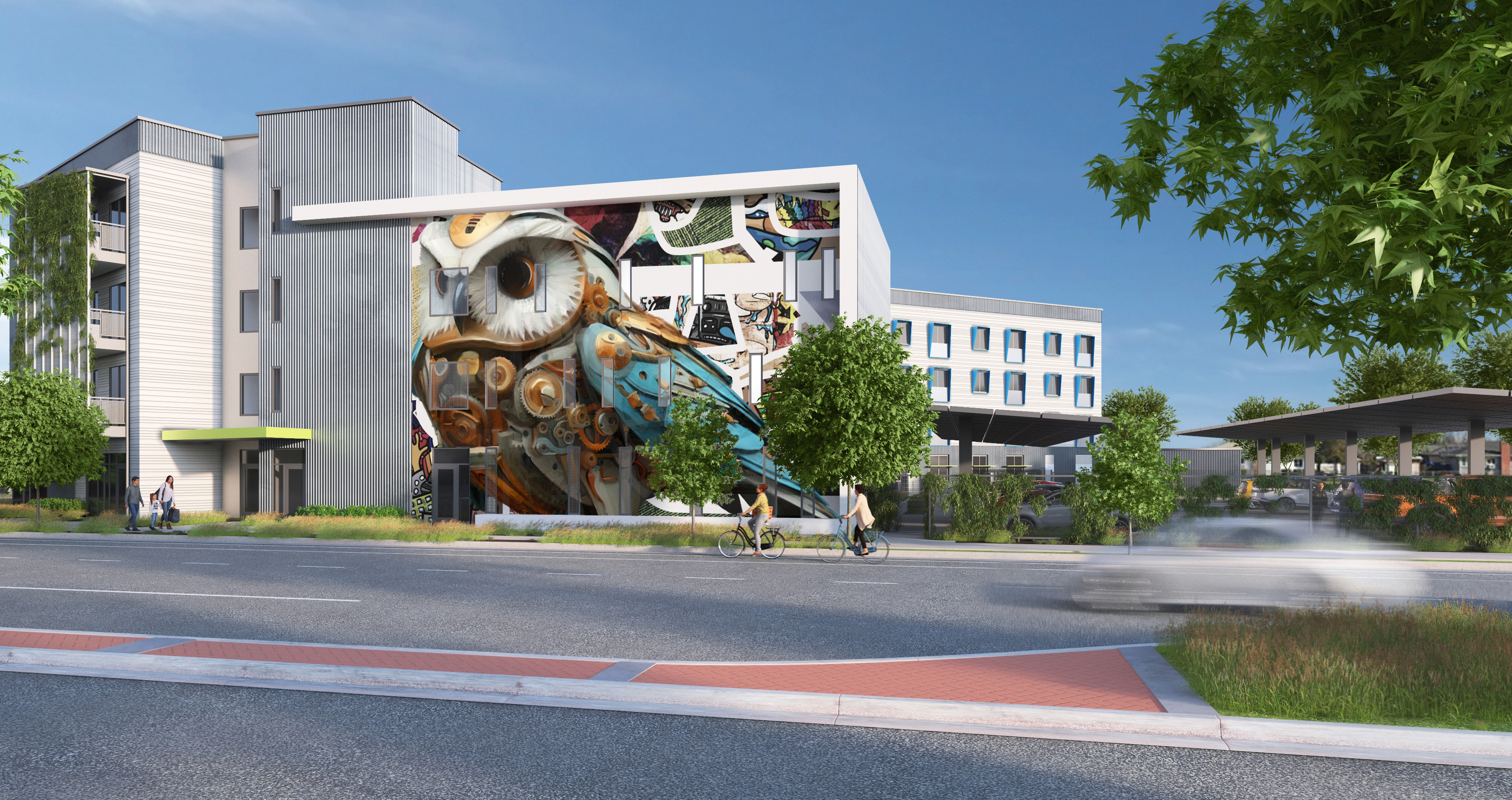
"When you look at the exterior designs for Fairview Terrace, it's hard not to smile. The colors, the shapes, the way the sunlight plays on the façade – it's like a piece of art that changes with the day. It's a place that feels alive," said Megan Repka, Project Architect at Architectural Nexus.
The 4-story permanently affordable housing, infill project is slated to begin construction in early 2026, pending approval of tax credits allocations. Mutual Housing plans to submit in February 2025 for 9% Low Income Housing Tax Credit financing.
Other cutting-edge and sustainability features within the new Mutual Housing at Fairview Terrace development include the use of Ephoca heat pumps. Icarus Quartet, enhanced domestic water heaters and refrigerators that all use refrigerants with low global warming potential. The project will also incorporate advanced technology features such as a microgrid with a 300 kilowatt solar PV System with pre-mounted inverters and a 600 kilowatt hour battery, dynamic window sheeting technology using thermo bimetals, all electric appliances, vampire switches, and an automated building energy management system that balances energy consumption against energy pricing while considering occupant comfort.
"Fairview Terrace isn't just a building; it's a vision of sustainable living," added Repka. "We've packed it with cutting-edge tech and energy-saving features, creating a place where people can thrive while treading lightly on the planet."
Said Flynn, “Together with our architect partners at Arch Nexus and STAND, and through critical investments from the State and City of Stockton, we will create the most innovative affordable multifamily housing development in the State of California. We hope to inspire all Californians to make climate action a priority.”
More about Mutual Housing California’s sustainability and climate action goals:
Mutual Housing is committed to reducing both energy consumption and carbon footprint across their portfolio and pipeline. They joined the US Dept of Energy (DOE) Better Building Challenge and Better Carbon Challenge to memorialize and formalize this goal. The challenge also comes with technical support from US DOE and other consultants. They have pledged to lower energy use by 20% over 10 years and greenhouse gas emissions by 50% over 10 years.
Mutual Housing has deep experience in pursuing their sustainability and climate action goals. Mutual Housing at Spring Lake, located in Woodland, CA. provides 101 one-, two-, three-, and four-bedroom flats and townhomes for agricultural workers and their families earning between 30%and 60% AMI. The three-story garden-style project was developed in two phases, with the first phase completed in February 2015 and the second in June 2019. Mutual Housing at Spring Lake was the first certified Zero Net Energy multifamily rental community built in the United States. The first phase of the project received the Housing Innovation Award from the U.S. Department of Energy and was one of two housing developments internationally to receive the United Nations World Habitat Award as an exemplary model of innovative and sustainable housing as well as resident leadership development. The company continues to partner with the local university, UC Davis, to measure performance and track tenant satisfaction.
Additionally, Mutual Housing California believes in developing and contributing to dense, walkable neighborhoods. These goals directly tie into carbon footprint and tenant health. Their recent projects and pipeline reflect an increasing emphasis including their Cornerstone project, completed earlier this year, with 37 units per acre and Monarch at 220 units/acre, set to break ground in March 2025.
The post City of Stockton approves key funding for Mutual Housing’s new trailblazing senior housing community appeared first on Blog.
]]>The post ROBERTO JIMENEZ STATEMENT ON MAX FERNANDEZ’S DEATH appeared first on Blog.
]]>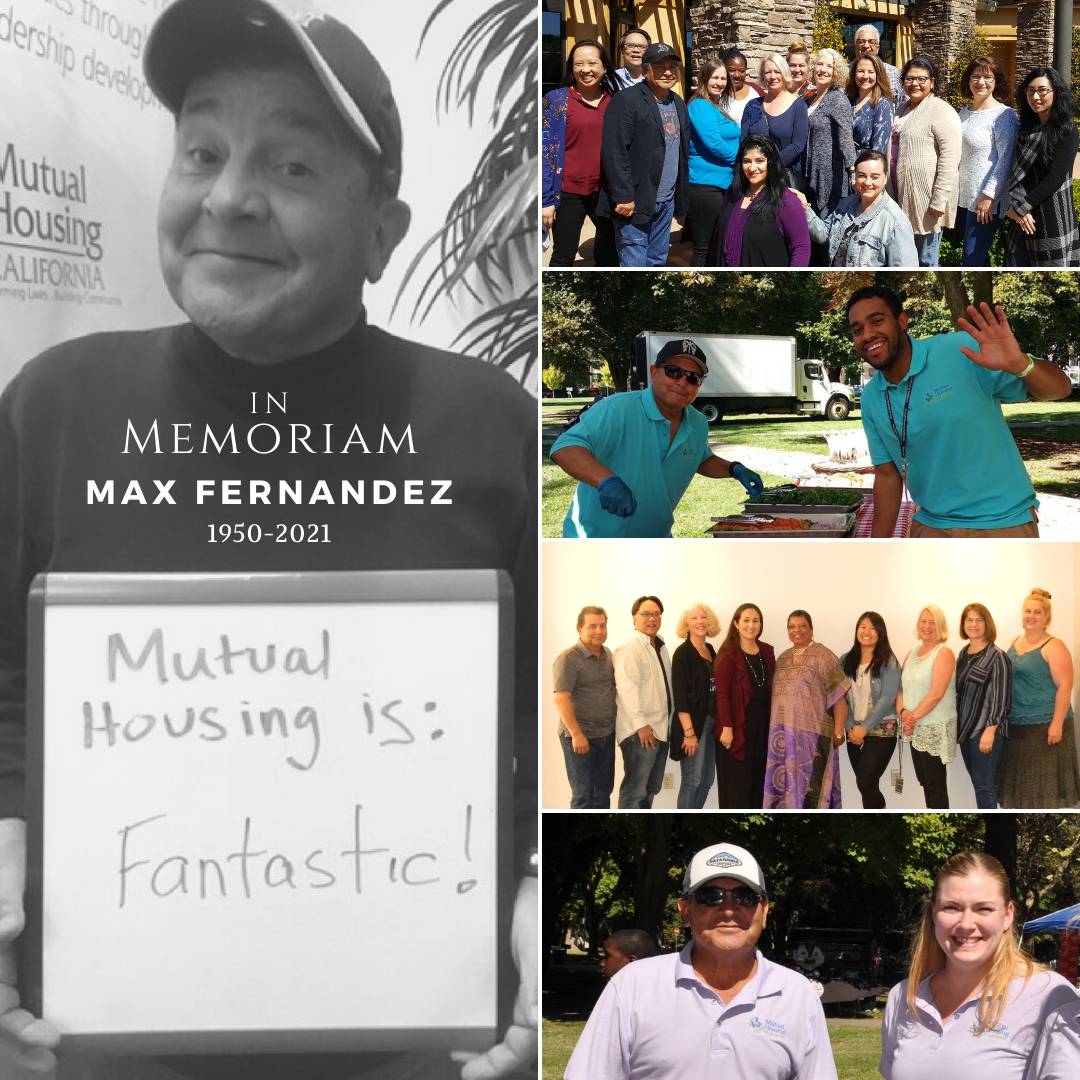
The entire Mutual Housing California community is saddened by the recent passing of Max Fernandez, a member of our board of directors who touched us all with his intelligence, insight and commitment to sustainable affordable housing communities.
Max was a straightforward guy who always let you know exactly how he saw things and what he thought about them – qualities that are hard to come by in a political town like Sacramento. I, for one, really appreciated it, and I know that our residents did, too. Everything that he did for us, he did with their well-being first and foremost in his mind.
A career public servant, Max had served on our board since 2015. Before that, he was the city of Sacramento’s community services director and the chief of its neighborhood services and code enforcement division. Mayor Darrell Steinberg called him “a pioneer in launching the neighborhood movement” in Sacramento.
As a building inspector, he held himself to the highest standards of integrity which he then applied to his life’s work. He was the scourge of slumlords, a man who fought for the best in the housing quality, no matter the income of the people who lived in it.
The post ROBERTO JIMENEZ STATEMENT ON MAX FERNANDEZ’S DEATH appeared first on Blog.
]]>The post HOW ORGANIZING MADE A LEADER OUT OF CHINUA RHODES appeared first on Blog.
]]>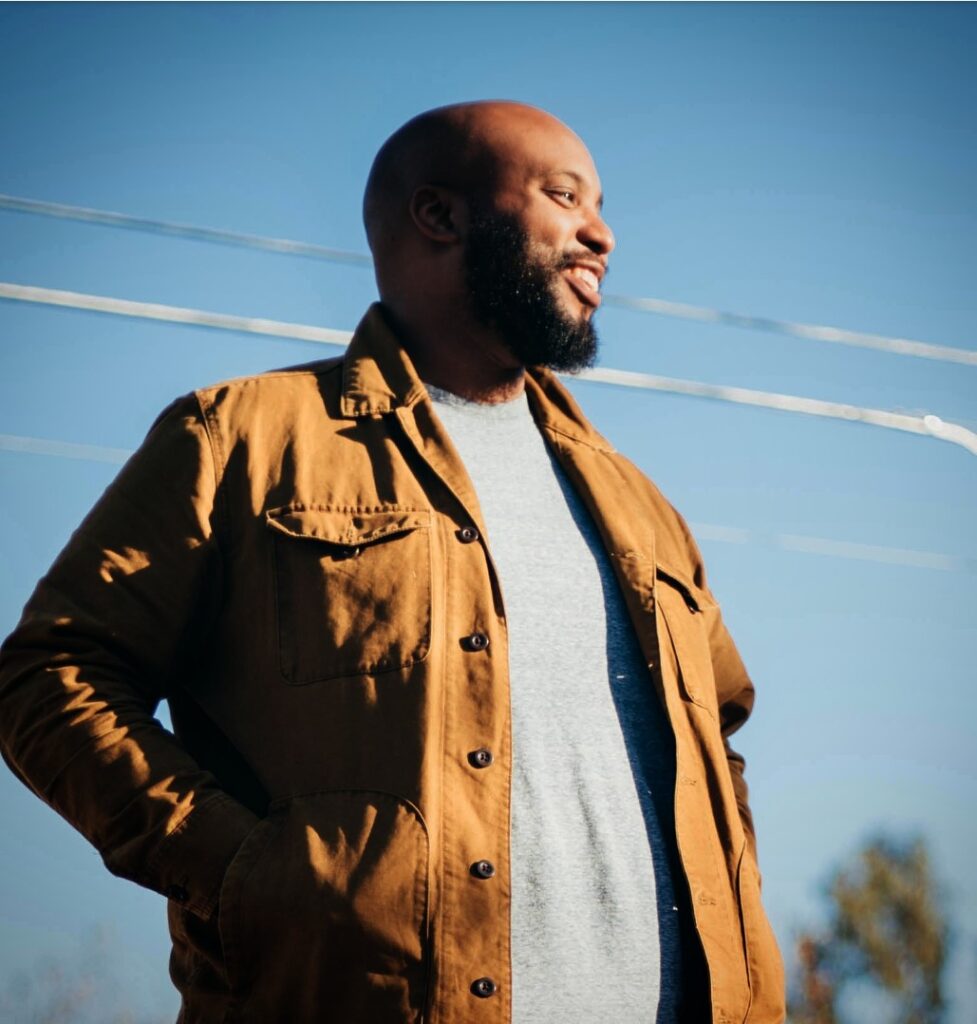
It took a few weeks to count all the votes, but when they finally got tallied, former Mutual Housing California community organizer Chinua Rhodes eked out the victory and found himself elected to the Sacramento City Unified School District as its Area 5 representative. Chinua, 36, is a proud resident of south Sacramento with strong family connections: his father was a community organizer, his grandfather was the first Black director of a statewide governmental agency, and perhaps most importantly, his five children attend or about to attend Sacramento city schools. He says his work as a community organizer for Mutual Housing from November 2017 to May 2019 helped lead him into running for office and becoming an elected community leader. He was interviewed by Mutual Housing communications consultant Andy Furillo.
Chinua, it seems like equity is at the center of everything you do. How do you define the problem? What do you envision as the solution, in education and everything else?
One of the things that I’ve been able to see on the ground floor is that sometimes we talk a lot about equity, in theory, and not necessarily equity in action. We’re talking about kids going back to school during the coronavirus, right? And they say, hey, we need to get kids back in school because some of these kids don’t have a place to go, and school looks like the only place that they had to go. And I say in my head, well, before COVID-19, those same youths still had no place to go a lot of the time. So, when we’re talking about opening our schools because these kids have no place to go, and if the reason is equity, then we have to talk about turning our schools into community hubs when everybody’s healthy, too. Our schools should act more like community centers, but they’ve been shuttered off to our communities and their families at certain points during the day. We should have city-school partnerships where we’d have open school yards and joint use agreements between the Department of Parks and Recreation and the school sites, to utilize schools as parks and play stations and open spaces. We should be looking at that as well. We’re not doing all those things collectively. We’re just saying, “We’re about equity,” but we’re not actually pushing forward toward the equitable society that we think that we are. The Sacramento school district should be looking at all of our policies to see how they impact the most marginalized groups in our district. That should be our real north star.
Keeping school yards open at 3 o’clock, the city-schools partnership, that’s getting to the heart of the equity issue for you?
Right. We’re also talking about building a community school model. Community schools are talking about youth development, and social health, and mental and physical health. You’re talking about having these things available on school sites and partnering with groups to make that happen. Like with Mutual Housing – I think it’s great the way they have wraparound services at their facilities, when you talk about the Highlands and what they’re talking about building on Stockton Boulevard. And school sites should have those same things. Mutual Housing doesn’t have a health or a mental health department, but they do partner to make sure they have those things available on site for their residents. We could do the same thing and look at those things at school sites. What if the school district had health clinics on site, when we open back up? You’re talking about cutting down on kids missing school and absenteeism. A lot of times people don’t have like Kaiser or some center where they go and see a doctor. Sometimes they’re going into clinics, and you sometimes have to sit at the clinic all day, so you don’t’ have the opportunity to have someone watch your kids or have transportation or things like that. You have to take the whole family to the clinic. So, we have to start thinking about our school sites, and not just the interior educational barriers, but the outside barriers to our families’ education and our youth’s higher education.
Mutual Housing views housing as being at the center of the equity issue, that you can’t really focus on employment, or education or health care or much of anything else until you get the housing situation stabilized. On the school board, do you see a place where housing and education can meet in terms of bringing equity about?
One hundred percent. At Mutual Housing, I saw how a lack of physical space stability, not having a place to lay down, how when you have a lack of housing stability, you have a lack of stability in your educational outcomes. You have a lack of stability in your financial outcomes and your jobs. You have a lack of general stability in your health and safety. All of that comes into question without safe and affordable housing. And so you look at our school district and you see that we have some homeless youth who are actually in our school system now, and we have a whole lot of youth whose families might not classify as homeless but they don’t have stability in the home, or they’re living in a car, especially due to COVID. We’ve seen the studies that show when families are housed, their educational outcomes raise exponentially. I also think we should look at building teachers and staff housing in some of the old schools that are no longer in use. We’ve seen that they’ve done that in San Francisco and a couple other places in Northern California. I think that maybe we can build some partnerships between the city and schools and Mutual Housing and other housing nonprofits to do that kind of work. I think that’s the next step. Can you imagine having teacher and staff affordable housing within the school districts, so that teachers could live in the areas where they teach, with the district actually being able to provide those things and have longevity with their staff and teachers and the general community? I think it would be a beautiful thing, and I think we can do it long term.
How did your time at Mutual Housing help shape you as a candidate?
I think Mutual Housing helped me to connect with different people with different opinions and different social and economic backgrounds and different political views and to work with a different variety of people toward the same goals. It helped me to understand how hard that is, but also how rewarding it can be. I worked at Norwood, the Westerner, and Sky Park, in North Sacramento, the South Sacramento area, and almost to Elk Grove. Each community was vastly different. Totally different. Totally different populations. Totally different concerns. Totally different worries. And totally different angst and gripes. It made me realize the need to build coalitions and to collaborate. If I didn’t have the experience I had at Mutual Housing for those two years, I wouldn’t have become the candidate that I came to be. Mutual Housing was pivotal in me being a competitive candidate who was able to really go deep and talk about the issues because I was able to directly work with a broad base of people. In campaigning, you might think the south area is just one thing, but you can go to Golf Course Terrace or Detroit Boulevard and those are completely different neighborhoods with completely different demographics. To be able to connect, understand, and build coalitions on a shared vision and a shared definition of what that vision is, to be able to move forward – I learned how to do that at Mutual Housing.
As somebody who attended Sacramento city schools, what was the main impression you took away from them and the district, about what the schools did for you – or to you, whatever the case may be.
In all honesty, I have so many great memories and had so many great teachers. One interesting thing, I had attended Bret Harte Elementary School as a kid, and when I got out of college I got a job as the director of a grant program there, where I serviced 199 kids. And I went back to work there, I worked in what used to be the principal’s office. When I used to get in trouble in elementary school, I used to have to sit in that office when they called my parents on me. And now here I was working in the same office that I used to get in trouble in. Mostly, though, I saw the same teachers still working at the school from when I was a kid, and the same custodians, the same people. So, one thing I took away from the Sacramento school district is that we have dedicated staff, dedicated professionals who love their jobs and love their schools. But I also learned that at the same time, the district was very separated. In high school, being on the football team at McClatchy High School, a group of us were walking down the hallway one day to go see our computer science teacher, about 10 or 15 of us, African American males, big guys, all on the football team, and I remember the campus guards and the security guy all ran and surrounded us, and they’re like, “Where are you guys going? Everybody stop.” And we were kind of confused with what was going on, and at that moment I was like, oh, maybe somebody did something, I don’t know, and literally – they checked us all, so that we could not be walking in groups, and we had to disperse, and we didn’t really know why. As an adult, I now know that 15 African American males walking down the hallway are seen as a threat, and we also see those same issues, when we look at the African American suspension rate, and we look at the graduation rate, those are systemic things that you’re not aware of until you’re able to put words into that. So, these are things we still have to work on, broadly, and not only for African American students, but also for Latino students and Native American students and for students with disabilities. We have to work on those unspoken but known things. I learned that teachers are the heart of our school district, and they love and care for students, but I also learned about the inequities of what you look like can impact you, in positive or negative ways. I know that we can rise above that, because I’ve seen the good in our community, and there is way more good than there is bad.
You’ve paid your dues – you were on the city Parks and Community Enrichment Commission and the city Inclusive Economic and Community Development Investment Committee. When did you first start thinking about running for school board?
Probably late 2018. The only reason I started thinking about it, I was constantly doing organizing work, and a lot of the time I was pushing for things to happen. We were constantly pushing somebody to make a decision, and I was like, man, if I could hear these voices, I could vote yes on this. Through all the organizing, we learned how to work in systems. Sometimes we don’t learn how to actually run for office, to be in that position to change systems. That’s when I started doing the best thing that I knew how to do from organizing, which was one-to-one meetings. You meet people. I started asking a lot of questions. You hear a lot of different things, but it comes down to what do you want to get done, and do you think that you are the person who can bring people together, who can make change? If you think you have that and you want to put yourself out there, you put yourself out there. But it’s a hard road. Campaigning is wearing. You get tired. And then you have to go in and govern, and that is a totally different ballgame.
Your grandfather, Herbert Rhodes, was the state’s parks and rec director. And your dad, Dennis Rhodes, was an organizer with PICO California. How did they shape you?
My grandfather was actually the first African American person to hold a state government department’s executive seat in the state of California. He was in there in the 1970s. The craziest part, I didn’t know it until I was a Parks and Rec commissioner. I told my grandfather, yeah, I just got appointed to the parks and recreation commission in the City of Sacramento, and he said “Oh, yeah?” And he told me about how he had worked under Jerry Brown, and they were doing this and that, and it was funny – as a young child, we’d go to like the State Fair for free, and I thought it was because my grandfather was an Army veteran, and I realized later that it was because of his state government position that he had these perks. What he instilled in me was to always care about your community, and to have a hard work ethic. My father, with PICO, he showed me the power that everyday working-class people have to move things for the betterment of the general public, and that everyday people were really the heart, the key to a city’s success. He worked to make it so that the city gave free bus passes to school kids. One time I got suspended from McClatchy for like a week for showing up late to school too many times, and my dad had to come to the school, and he said, “I don’t understand. My son was late to school, and now you’re going to suspend him so he can’t come to school? That doesn’t make any sense.” And then they changed that rule that allowed me to come to school. Stuff like that all wrapped into his own lived experience, what he saw, what he thought needed to be changed, and I saw that as an everyday citizen and individual, you have power to change things, and I learned that through my father.
The Sacramento City Unified School District, of course, is facing enormous financial problems, and there’s a chance it might even get taken into receivership by the state. I guess the question to you is, what you have you gotten yourself into?
When people found out I was running, they were saying, “Hey, man. Are you crazy?” But here’s the thing: I didn’t run just to run, to have an office. I have five kids, four who are in the district, and one who will be in the district next year. So I understand a couple of things. I understand we have to make sure we don’t go into receivership. Because communities like mine, and working people, a lot of times we don’t have the option to go to a private school. We need to make sure that our district doesn’t go into receivership. Receivership is not going to help anyone. It’s going to be cut, slash and burn with impunity, and the community won’t have a voice, your board members who you elect won’t have a voice, and it’ll change outcomes even more for the south area, for the north area, for all socioeconomically disadvantaged areas. They’re going to be hit very hard. I know I can build coalitions. Right now, we need a coalition builder who is not part of the previous troubles and issues and fights, and who can come in and work. I think that was really shown very strongly in my campaign, that we were able to get endorsements from the teachers, SEIU, local labor. I was also able to get endorsements from current board members. My great hope and goal is that we build coalitions around a shared vision, a shared goal on outcomes, and that we find out how do we do that together, without placing blame. I feel everyone is culpable for what happened, and now we have to find out how we all move forward together. Those types of hard conversations are not easy. I expect to have them, with the new blood that is coming in.
The post HOW ORGANIZING MADE A LEADER OUT OF CHINUA RHODES appeared first on Blog.
]]>The post GOVERNMENT NEEDS TO ACT FAST TO SAVE AFFORDABLE HOUSING appeared first on Blog.
]]>Massive unemployment brought on by the pandemic of 2020 has taken its toll on low-income workers and others whose only ticket out of substandard housing has been their ability to find a place to live in one of the state’s 344,218 rental units financed by the state and federal low-income housing tax credit program.
These hard-working people who have lost jobs or hours due to the pandemic have understandably had a difficult time paying the rent, even in the nonprofit communities such as ours at Mutual Housing California where we have committed to keep rents below market rate.
At Mutual Housing, 35% of our residents pay their rent entirely from their employment income. Another 21% combine their jobs with other income sources in order to pay the rent.
Since the pandemic hit, our working residents’ unemployment crisis has resulted in nearly a 10% reduction in our rental income – and we’re one of the luckier outfits. Managers of other nonprofits around the state have told me that their rent revenues have dropped by as much as 25%.
We at Mutual Housing concur with the recent legislation signed by Gov. Gavin Newsom to extend the eviction moratorium for California renters who have been hammered by COVID-19 related income losses.
It is time, though, that the state and federal governments take action to protect the hundreds of thousands of nonprofit affordable housing units that provide safe and stable homes to more than a million people in California.
Already, the state has nearly $400 million in unspent Coronavirus Aid, Relief, and Economic Security (CARES) Act funding available, for which rental assistance is an eligible use. Affordable housing developers and others have asked the state Department of Housing and Community Development to set aside $200 million of these funds to preserve affordable housing communities.
Meanwhile, the U.S. House of Representatives in May approved the Health and Economic Recovery Omnibus Emergency Solutions (HEROES) Act. The bill contains $100 million that would help affordable housing developers get through this pandemic-created crisis. It is past time for the Senate and executive branch negotiators to work out a deal with House Speaker Nancy Pelosi to get this money out the door.
The California Housing Consortium says it best on what’s going to happen if nothing is done about it:
“For these properties,” the consortium said in its “Keep California Housed” campaign statement, “the impact of lost tenant revenues will have a potentially catastrophic, cascading effect that could lead to loss of control of properties and possible bankruptcies.”
We know what the result of that would be – Wall Street investors flying into the state to pick up some real estate bargains, at the expense of people who are struggling to avoid homelessness.
The federal government and the state have invested hundreds of millions of dollars to build and maintain tax-credit housing, including 1,100 units that Mutual Housing California, developed in Sacramento and Yolo counties to provide homes for 3,165 people.
At a time when more than 150,000 people in California are already homeless, it makes no sense for short-sightedness by policy makers in Sacramento and Washington, D.C., to put tens of thousands more families at risk of having to live on the streets.
Affordable housing advocates in California are calling for a $1 billion subsidy pool to be funded by owners, lenders, investors and public agencies to help affordable housing developers get through this crisis. We at Mutual Housing California certainly join in this recommendation.
Elected leaders at all levels of government need to get working on this immediately, and they should be held accountable by voters if they don’t.
The post GOVERNMENT NEEDS TO ACT FAST TO SAVE AFFORDABLE HOUSING appeared first on Blog.
]]>The post NEW MUTUAL HOUSING INTERN FIGHTS FOR THE UNDERDOG appeared first on Blog.
]]>
It didn’t take long for Jessica Ison to roll into action once she arrived at Mutual Housing as our 2020-21 intern from California Coalition for Rural Housing. Right away, she jumped into the Lavender Courtyard by Mutual Housing project, learning the financial side of what it takes to build affordable housing. She’s also helping out on the earliest stages of Mutual Housing at 5th Street in Davis and Mutual Housing on 46th Street. A third-year community and regional development major at UC Davis, Jessica was born in San Francisco and raised in Fairfield and has only recently focused on nonprofit affordable housing development as a possible career option.
She spoke recently with Mutual Housing communication consultant Andy Furillo:
Q: As a student at UC Davis, you’ve been an activist and an advocate on several issues. With this internship, it seems that you have decided to focus on housing as the area where you wanted to apply it in the future. Is that correct?
Ison: Definitely. Growing up, I saw the important ways that housing impacted my family members’ lives. We took in one of my cousins so he could attend a community college nearby. Just by having that housing, my cousin was able to work on himself financially, mentally, and also on his education. In college, I experienced it first-hand. I’ve been privileged enough to not have to struggle with rent, but I have friends who do struggle. Sometimes, they can’t commit themselves to their school work as much as they could because they have jobs. A lot of them don’t even know what affordable housing is. As a Filipina, it’s very important for me to see my community thrive, to see other communities thrive, and the issue of housing drives it home. If you have a stable home, then you can work on almost every other aspect of your life, like job stability, or your education. That’s why I’ve been interested in housing. I think that’s the way I can help my people and other people like me, to break that cycle of poverty.
Q: What kind of work do they have you doing on your internship?
Ison: Right now, I’m working in the housing [development] department on Lavender Courtyard. Worked on the loan closing, and I’ve been tracking invoices, a lot of data entry stuff. I’m also going to be working on the 46th Street project soon. With the closing now done for 5th Street (in Davis) and Lavender Courtyard, we’re going to move on to 46th Street. I’ve been sitting in on meetings, getting myself familiar with Mutual Housing, as well as the folks on the team.
Q: It sounds like you’re basically getting grounded in the nuts and bolts of the building side of things.
Ison: Yes. Adrienne (Gemheart, the Lavender Courtyard project manager) has been a lot of help with the financial aspects. Even by tracking the invoices, I’ve been able to see what aspects tend to be more expensive, and how the payment cycle works.
Q: What are you doing on the 46th Street project?
Ison: Not too much yet. Parker (Evans, the 46th Street project manager) has caught me up on the project, and I’ll be sitting in on some meetings that have to do with the design aspects. They still have to get approval for all the financial aspects. So, we’re trying to figure out how we’re going to get the money. We’re hoping that in a year, we can do the same closing procedure we’re now doing for Lavender.
Q: How far have you come since you started the internship, in terms of understanding these kinds of details that go into getting an affordable housing community built?
Ison: In these first [few] months I feel like I’ve learned so much. There are so many moving parts, so much funding that needs to go into this. It’s more complicated and more of a niche field than I thought. I think I’ve learned a lot in regards to transferrable skills. People have encouraged me to ask questions, and just being able to sit on those meetings has been beneficial.
Q: Did you choose to go into the housing development department? Did you think about community development or other aspects of the Mutual Housing operation?
Ison: I actually didn’t put that much thought into it. When I applied for the internship, I didn’t know about all the different departments, asset management, things like that. I’m glad, though, that I ended up with Holly’s (Director of Housing Development Holly Wunder Stiles) team. That’s a great starting point, and I think I can still get a taste of other things, like resident services. I’ll probably be talking to other folks in other departments, but I think I’ll be more concentrated on housing development.
Q: Reading your resume, you struck me as more of an activist type who would have been interested in working more directly with residents.
Ison: It’s pretty surprising. In my past positions, I’ve worked mainly with people. I do enjoy working with people. This is new to me, but I’m still very excited to be in this role. I’m excited to explore how I like it, the work environment.
Q: It’s interesting how you can be going in one direction and then an opportunity comes up that bumps you in another direction. Is that kind of what’s happening to you?
Ison: Definitely. When I first started at UC Davis, I was set on being a professor. Now I’m in a field that is so new to me, and I didn’t even know about affordable housing field until recently. While career exploration is a little bit daunting, it’s also exciting to try out different roles and I’m excited to work with Mutual Housing in this one.
Q: Do you think you’ll go into the affordable housing business after you graduate from college?
Ison: I’m not completely sure. I’m hoping this internship can give me that insight.
Q: How important to you is Mutual Housing’s focus on diversity, equity and inclusion and how it might play into what you bring into the internship?
Ison: I think diversity, equity and inclusion are three different things, and fourth thing is justice. Diversity is having people from different backgrounds in the room and inclusion is including those voices. Justice is making sure we get to the root causes of why they were not in the room in the first place, and how we can uplift those voices and communities, including the multi-cultural, and multi-disabled, folks not just from different races but from different neurological spectrums and genders.
Q: Where does this impulse for diversity and justice within you come from?
Ison: Some of it stems from my own experience as a Filipina-American and not being included in the room. Some of it comes from ethnic studies classes I’ve taken at UC Davis that have taught us the importance of honoring other folks’ histories. I feel like it does make me more empathetic. I can see and understand where we’re falling short. I always think of the underdog, because I know that sometimes my own community is never thought of. If I can work to include someone else, that’s really important to me.”
The post NEW MUTUAL HOUSING INTERN FIGHTS FOR THE UNDERDOG appeared first on Blog.
]]>The post LAVENDER COURTYARD: THE DREAM THAT BECAME A REALITY appeared first on Blog.
]]>
The dream went back more than a decade, to when Jim Joseph got together with a few friends and acquaintances and decided that Sacramento was long overdue for an affordable housing community friendly to LGBTQ elders.
“They’d already been through the ups and downs of coming out as young people, or older, or whatever, and there was a lot of discrimination in low-income housing, and they were having a rough go of it,” said Joseph, who at the time was a member of the West Sacramento Commission on Active Aging. “So, the three of us did our research on nonprofits, and we went to a meeting with the IRS in San Francisco, and then we heard about this person in Sacramento who was involved in affordable housing, and her name was Rachel.”
The “Rachel” in question turned out to be Rachel Iskow, the former CEO of Mutual Housing California, whom Jim Joseph heard about through a mutual banker friend of theirs. Iskow invited Joseph to a 2013 open house for the fledgling New Harmony Mutual Housing Community in Davis, and it was there that he and one of his partners in the early stages of the elder LGBTQ housing idea, Michael Farnham, first met with Rachel face-to-face to establish the synergy that led to the creation of Lavender Courtyard.
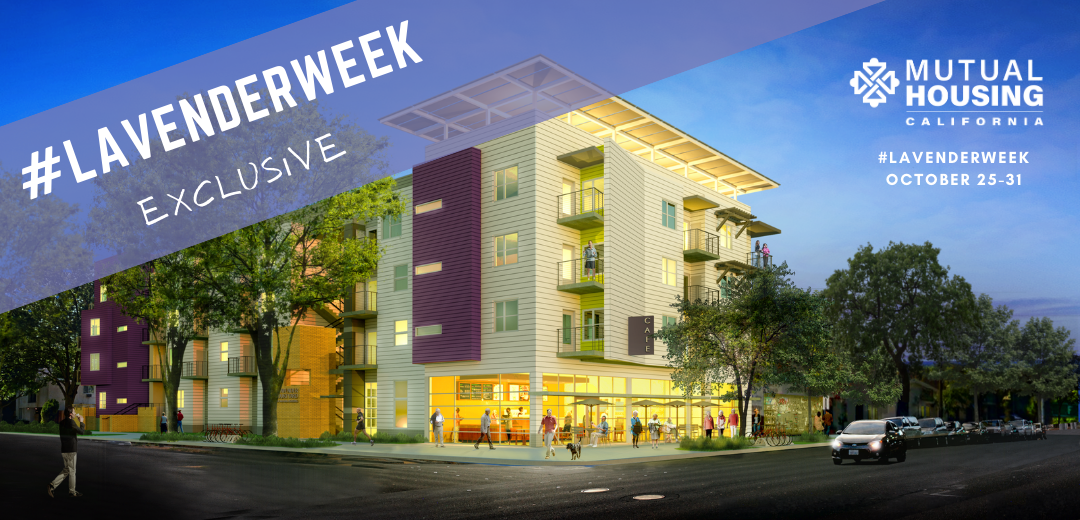
This week, Mutual Housing California is celebrating the groundbreaking of the LGBTQ-friendly Lavender Courtyard community that Joseph first envisioned and that Iskow pushed forward. Construction work is now underway at the corner of F and 16th streets in midtown Sacramento, in the Lavender Heights neighborhood where the heart of the city’s LGBTQ community beats strongest.
“I could say that the beginning of construction of Lavender Courtyard is beyond our wildest imagination, but it’s not,” said Mutual Housing’s current CEO, Roberto Jiménez. “Thanks to the partnership that Jim and Rachel formed, and the ongoing efforts of so many others, both local and national – the Lavender Leadership Team, architects and elected officials, the Weinberg Foundation, SAGE, Enterprise and Mutual’s own housing and community development teams, not to mention all of the ordinary folks who regularly call and email us who say they need this housing. They’ve kept us energized over the long haul – they and we have turned our wildest imagination into a living, breathing community. We never lost sight of our goal, and now we know that Lavender Courtyard will soon stand as a source of pride for this neighborhood, the city, this region and certainly for Mutual Housing. And hopefully it inspires others to know that LGBTQ-affirming housing can be built outside of a major American metropolis – and be welcomed into the community.”
Documentation has shown that throughout American society, LGBTQ elders have suffered discrimination and abuse, as well as social isolation, when the circumstances of their lives force them into senior living communities. Oftentimes they are forced back into the closet with their sexual orientation, despite having been the vanguard generation of the international pride movement.
From the time of their first meeting at New Harmony, Joseph and Iskow planned for a development that would ensure a safe and stable community landing point for LGBTQ seniors in this critical juncture of their lives, one that was close to public transportation corridors and social services that would meet their needs.
Iskow, who led Mutual Housing as CEO almost from its inception in 1988 until her retirement at the end of 2017, said that the location could not have been more critical to the project’s success.
“We were determined to find something in Lavender Heights, where many LGBT seniors live, socialize, and get services,” she said. “It was and is the center of LGBT social activity, and we know that social interaction is critical for seniors. Your life expectancy has a lot to do with your social relationships, and the number and depth of your social relationships. What we were seeing, and what the gay community was seeing in Sacramento, was that with the increased rents in midtown, a lot of LGBT seniors were being displaced from the neighborhood.”
Iskow and Joseph clicked immediately into a working friendship that produced a housing plan that they presented to the Mutual Housing Board of Directors. Once the panel lent its support to the idea, the two of them got together with some Mogavero Architects and went hunting for land. They found the parcel at 16th and F, once the site of a Sambo’s Restaurant that was torn down in the 1980s, long after the old U.S. 40 highway that ran through Sacramento gave way to the interstates.
“I think I was driving around and spotted it,” Joseph said of the vacant lot at 16th and F. “We went out and looked at it, took it to the board, and we made an offer. It’s been six years.”
Noting the racist imagery associated with the Sambo’s restaurant chain, Iskow described the transformation of the parcel as going “from discrimination to liberation.”
“It was a courageous leap of faith on the part of the board to go ahead and approve the purchasing of that expensive parcel prior to having any substantial financing commitments,” Iskow said. “And they did it because they understood the importance of having LGBT-welcoming affordable senior housing in that neighborhood. They believed in the future of that neighborhood.”
Before Mutual Housing came into the picture, Joseph had formed a nonprofit with his original partners that they called Sacramento Rainbow Village. Initially, the group envisioned a community center for the LGBTQ community that would include a housing component. When Mutual Housing was brought into the project, some of the original board members split off to pursue their own goal of building a community center. Meanwhile, Joseph, Iskow, Farnham, a Lavender Heights businessman, and Jay Hyde, an associate at Mogavero Architects, which is also located in Lavender Heights, pushed ahead on the housing alternative.
“We’d been courting Mutual, and wanted to work with them, and this sort of blended into a wonderful opportunity for us and I hope for Mutual,” Hyde said. “And it wouldn’t have happened at all without Rachel.”
Once the land was acquired, Joseph and Iskow, along with the housing and community organizing teams at Mutual Housing, went on the hunt for the political and financial support to get the project off the ground. Their first stop in 2014 was at Sacramento City Hall, where the advocates found a friend in City Council member Steve Hansen, Sacramento’s first openly-LGBT council member, who lives near the Lavender Courtyard site and who represents Lavender Heights. Hansen introduced Joseph and Iskow to the neighborhood association leaders, and the Mutual Housing team made calls and dropped in on community organizations and business leaders who provided the crucial support needed to jump-start the campaign to create Sacramento’s first LGBTQ-friendly elder living community.
“I remember when Rachel and Jim and his other partners first came in and told me of their idea and that they had put some earnest money down on the site for potential development,” Hansen said in an interview. “I was all in.”
Even though the Lavender Heights neighborhood stands as one of the most progressive in the city, a small but vociferous group of neighborhood residents launched a campaign against the project. Hansen invited the opponents into his office for a discussion, but it quickly turned ugly, he said, and he wound up kicking them out.
“They told me how inappropriate it was to put LGBT seniors across the street from an elementary school,” Hansen recalled. “They said, ‘Of course, these people don’t have kids.’ I knew what they meant, and I couldn’t tolerate the implications of that kind of comment. Also, we had a movie night at the elementary school to galvanize support for the project, and they decided to come and harass us. That really galvanized support for us, because the opponents were so atrocious.”
When it came time in 2016 for the City Council to vote on whether to lend financial support to the project, Iskow worked with the community organizing team at Mutual Housing. The result was a packed City Council chambers, with hundreds of supporters who wore lavender hearts pinned on their chests. They overwhelmed the opponents, who numbered fewer than 20, and the council approved Lavender Courtyard on a unanimous 9-0 vote.
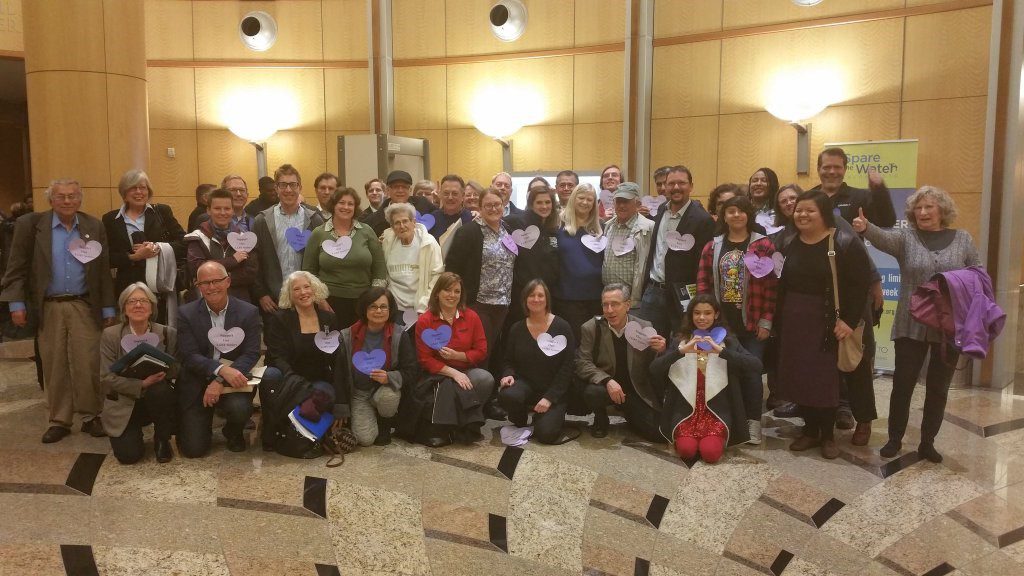
“We filled the City Hall chambers with supportive residents, senior organizations, community organizations, environmental and equity activists, and housing advocates, the whole realm, service organizations that had seen the discrimination against LGBT people,” Iskow said. “Then, we went to work to fund the development.”
The City Council’s approval included $1.9 million in federal funds to get the project started. With that stipend in hand, Mutual Housing embarked on a four-year effort to procure the $17.9 million in construction costs and $27.3 million in overall project costs that it would take to build the 53-unit Lavender Courtyard community. Iskow led the initial effort to find the money, along with Director of Acquisitions Keith Bloom, before Director of Housing Development Holly Wunder Stiles took charge of the financing operation after Iskow’s retirement.
Like it does with almost all affordable housing communities, the financing end of the project took on the look of a Rube Goldberg contraption – complicated, with each intricate funding lever connected to the next. The key financing commitments combined state and federal tax credits that account for approximately 37 percent of the Lavender project’s total with multiple forms of essential “soft” money components such as loans and grants from government agencies and private foundations.
The Fall of 2018 turned into a big season for Lavender Courtyard when it came to applying for and receiving the soft-money subsidies.
“Before you can apply for the tax credits, you have to raise the rest from somewhere else,” Wunder Stiles said. “It is really the soft, subsidy money that makes the deals work. The city only had limited resources that they could give us, so luckily we were talking right about that time to an interested tax-credit investor, Enterprise Community Partners, who put us in touch with the Harry and Jeanette Weinberg Foundation for a $2.5 million grant, and that was huge.”
The Weinberg Foundation, which looks to fund affordable housing programs for older adults, came through with its grant for Lavender Courtyard in October 2018.
Early the next month, on Election Day, the voters of California approved two housing bonds that provided billions of dollars for affordable housing construction. Mutual Housing applied for funds under the Proposition 1 Multifamily Housing Program, and the approval from the state Department of Housing and Community Development came through in December 2019.
“It was seriously competitive,” Wunder Stiles said of the Proposition 1 money. “There was so much pent-up demand. There hadn’t been any money for affordable housing from anywhere for a decade, and everybody came in on the MHP application.”
Mutual Housing also benefited from additional state tax credit money that Gov. Gavin Newsom included in his first, 2019-2020 budget, that served as a supplement to the federal tax credit funds for which Mutual Housing applied in January 2020.
The tax credit application, together with an application for a bond allocation used to make a tax-exempt construction loan, were both approved this past April, to complete the financing package that would allow Mutual Housing to commence construction of Lavender Courtyard. An additional $520,000 soft loan from the Federal Home Loan Bank of San Francisco’s Affordable Housing Program, secured through Sacramento FHLB member Farmers & Merchants Bank, ensured the project would be feasible despite the cost impacts of COVID.
“It’s almost kind of surreal that we’re even at this point,” Joseph said. “It’s been a long road – nine, 10, 11 for me. So, yeah, I am excited. I think it’s going to be a real healthy and exciting place to live.”
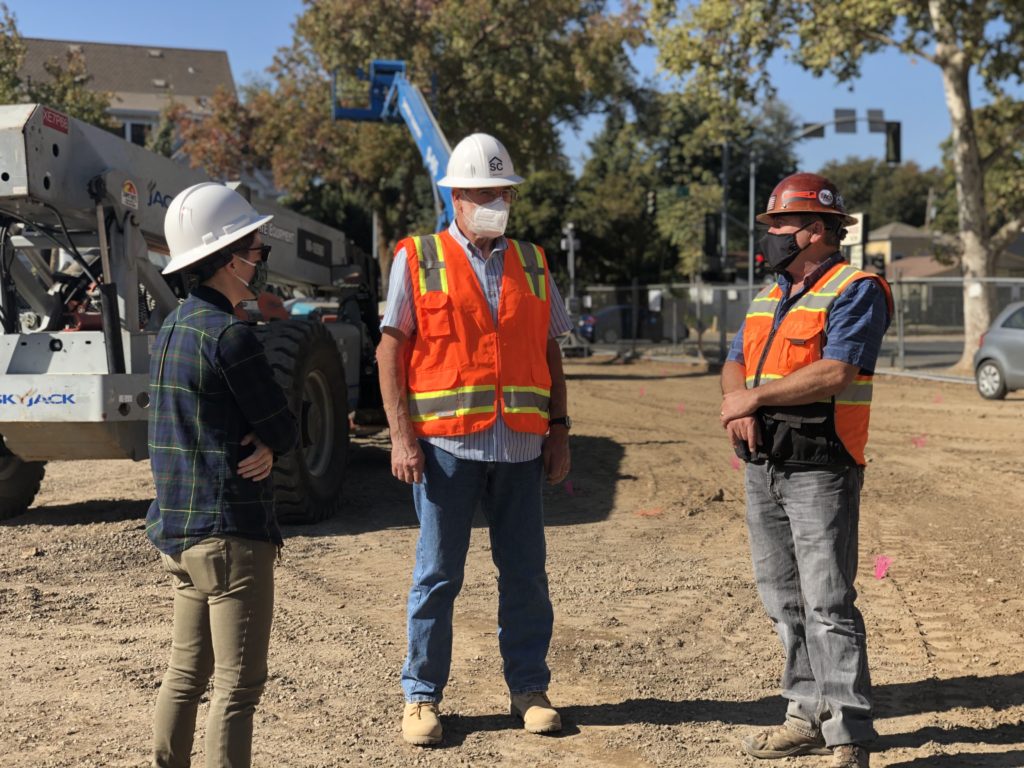
Project Manager Adrienne Gemheart and construction partner Sunseri Construction discuss the early stages of construction, which began October 5, 2020.
This story is part of a week-long virtual celebration of breaking ground on Mutual Housing at Lavender Courtyard. Follow along on Facebook, Twitter, LinkedIn, and Instagram for highlights about our newest inclusive community throughout #LavenderWeek.
A virtual groundbreaking event is scheduled for Thursday, October 29, at 10:30AM. Click here to view.
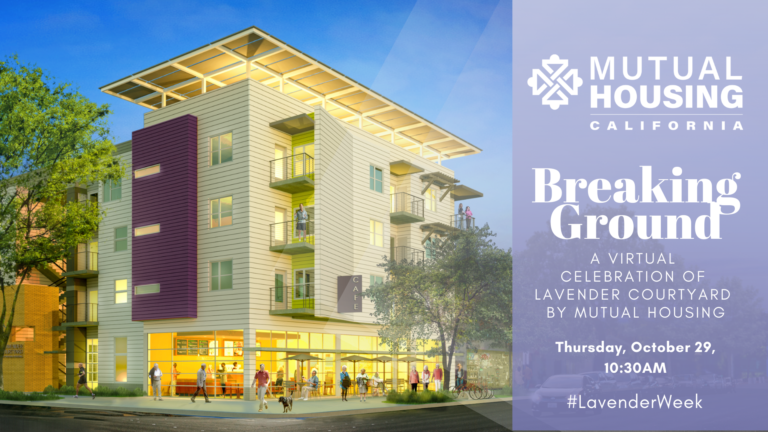
To learn more about Lavender Courtyard by Mutual Housing visit our website at www.mutualhousing.com/lavendercourtyard.
The post LAVENDER COURTYARD: THE DREAM THAT BECAME A REALITY appeared first on Blog.
]]>